

Introduction
Life rarely waits, and neither should your healthcare. That’s exactly why mobile urgent care is gaining popularity it brings medical help directly to you, wherever you are. No more stressful drives, long waiting rooms, or juggling work and appointments.
Mobile urgent care is essentially a clinic on wheels. Equipped with medical tools, testing equipment, and trained professionals, these services handle non-life-threatening issues like minor injuries, sudden fevers, infections, or routine checkups. The appeal lies in its convenience: whether you’re at home, the office, or even at a park with your kids, quality care can arrive in minutes.
Table of Contents
How Mobile Urgent Care Works
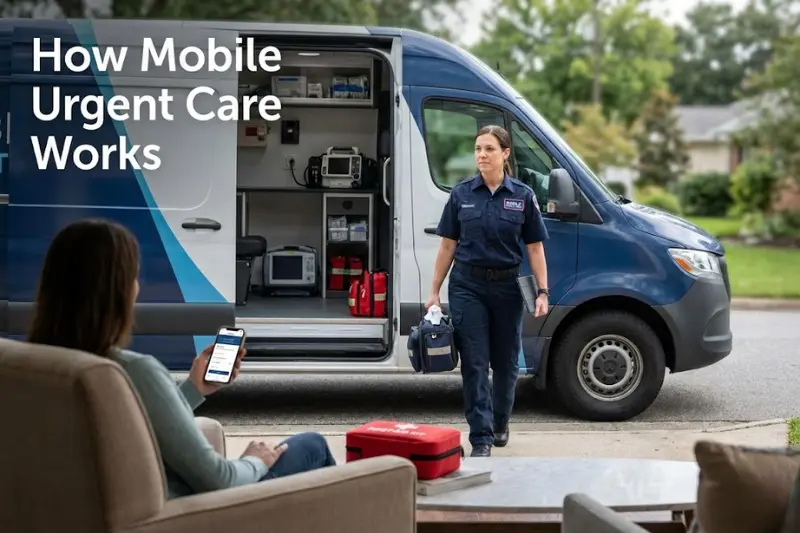
Using mobile urgent care is surprisingly straightforward, designed to make healthcare fast, accessible, and stress-free. Here’s how it typically works:
Booking
Most mobile urgent care providers allow you to schedule visits through an app, website, or phone call. Some even offer same-day appointments for urgent situations. You can specify your location, preferred time, and the type of care needed, making it feel personalized from the start.
Arrival
Once booked, a licensed healthcare professional or a fully equipped mobile unit travels directly to you. Whether it’s your home, office, or even a sports field, these units arrive ready with essential medical tools, testing supplies, and medications so care begins immediately.
Assessment & Treatment
The provider evaluates your condition just as they would in a clinic, checking vitals, running basic tests, and diagnosing the issue. Depending on what’s needed, they can administer treatments on-site, such as wound care, minor fracture support, or prescribing medications.
Real-life example: One parent used mobile urgent care when their child developed a sudden fever late at night. Within an hour, a provider arrived at their home, ran a quick assessment, gave medication, and offered clear follow-up instructions no waiting rooms, no stress, just fast, effective care.
Follow-Up
After the visit, many mobile urgent care services provide digital records, follow-up calls, or telehealth check-ins to ensure proper recovery. This continuity makes it more than a one-time service it’s a patient-centered approach to healthcare.
May be you like it:
New Gadgets – Latest Tech You Must Check Out
New Innovations – Shaping the Future 2025
Tech Gifts for Teenagers – Smart & Trendy Ideas
Benefits of Mobile Urgent Care
Mobile urgent care isn’t just a trend it’s changing the way people access healthcare, offering benefits that go far beyond convenience. Here’s why more and more people are choosing this approach:
Convenience
The biggest draw? Care comes to you. No traffic, no long waits in crowded clinics, and no rearranging your entire day. Whether you’re at home, work, or even traveling, a qualified provider can arrive where you are.
Time-Saving
Life moves fast, and waiting hours at an urgent care center can be frustrating. Mobile urgent care slashes that time dramatically, allowing you to get treated and back to your day in minutes instead of hours.
Flexible Hours
Many mobile urgent care services operate evenings, weekends, and even holidays. This flexibility ensures you’re not left without options when health issues strike outside normal office hours.
Personalized Care
Unlike busy clinics where patients can feel like just a number, mobile urgent care allows providers to focus on you. With fewer patients to juggle, they can spend more time understanding your symptoms, explaining treatment, and answering questions.
Cost-Effectiveness
For non-emergency medical issues, mobile urgent care is often less expensive than an ER visit. You get timely care without the high cost or long wait that comes with hospital emergency rooms.
Conditions Treated by Mobile Urgent Care
Mobile urgent care isn’t meant for life-threatening emergencies, but it covers a wide range of everyday health issues. Think of it as a flexible, on-the-go solution for conditions that need prompt attention but don’t necessarily require an ER visit.
Common Issues Addressed
- Minor injuries: Sprains, cuts, scrapes, and minor fractures can be treated on-site. Providers can clean wounds, apply bandages, and even give guidance on follow-up care.
- Infections: Urinary tract infections, sinus infections, or mild respiratory infections can be diagnosed and treated quickly without a long clinic wait.
- Fever & Flu-like Symptoms: Sudden fevers or mild flu symptoms can be assessed promptly, and treatment can begin immediately to prevent complications.
- Rashes & Skin Conditions: Allergic reactions, eczema flare-ups, or unexplained rashes can be evaluated, and appropriate medications can be provided.
- Vaccinations: Some mobile urgent care units offer routine immunizations, including flu shots or travel vaccines, making it easier to stay up to date.
- Routine Checkups & Monitoring: Blood pressure checks, basic labs, and wellness assessments can often be done at home, saving time and stress.
Who Can Benefit Most from Mobile Urgent Care

Not everyone realizes how much mobile urgent care can simplify life, but it’s especially helpful for certain groups of people who face unique healthcare challenges.
Families with Kids
Children can get sick or hurt at the most inconvenient times. Mobile urgent care brings professional care directly to your home, which means less stress for both parents and kids. No rushing to crowded clinics with a feverish child or a scraped knee treatment arrives where it’s needed most.
Elderly or Mobility-Challenged Patients
Traveling to a clinic can be physically demanding for older adults or anyone with mobility issues. Mobile urgent care removes this barrier, providing high-quality care at home while reducing strain, fatigue, and the risk of falls during transportation.
Busy Professionals
For people juggling work, family, and other responsibilities, taking hours off for an urgent care visit can be difficult. Mobile urgent care saves time by bringing care to the office or home, allowing treatment without disrupting your schedule.
Rural or Remote Residents
Access to urgent care in rural or remote areas is often limited. Mobile units bridge this gap by traveling to locations where healthcare options are sparse, giving residents timely attention without long drives or delayed care.
May be you like it:
Future Tech Olympiad – Unlock Future Careers
Futura Tech Park – Hub of Innovation
Future Tech Skills – You Must Learn for Career Growth
Limitations & Situations to Avoid
While mobile urgent care is incredibly convenient and effective for many situations, it’s important to understand its limitations. Not every medical issue can or should be handled outside a fully equipped hospital.
Life-Threatening Emergencies
If you experience chest pain, difficulty breathing, heavy bleeding, or signs of a stroke, mobile urgent care is not the right choice. In these cases, calling 911 or heading straight to an emergency room is critical. Mobile units aren’t equipped for high-risk, life-threatening interventions.
Major Trauma or Severe Injuries
Broken bones that require surgery, severe head injuries, or deep lacerations may need advanced imaging and specialized care only available in hospitals. Attempting to treat these serious injuries at home could delay necessary care and worsen outcomes.
Advanced Diagnostics
Mobile urgent care providers can perform basic lab tests and assessments, but anything requiring advanced imaging like MRIs, CT scans, or specialized blood tests needs hospital facilities. For chronic or complex conditions, follow-ups at a full-service clinic or hospital may also be necessary.
Technology & Equipment in Mobile Units
One of the reasons mobile urgent care works so effectively is the technology and equipment packed into these mobile units. Modern mobile clinics aren’t just vans they’re mini medical hubs capable of handling a surprising range of healthcare needs.
Diagnostic Tools
Mobile urgent care units are typically equipped with basic diagnostic tools such as blood pressure monitors, glucose meters, EKG machines, and portable testing kits for infections. These tools allow providers to quickly assess your condition on-site, ensuring accurate treatment without the delay of traveling to a clinic.
Telehealth Integration
Many mobile urgent care services are connected to telehealth platforms. This means providers can consult specialists remotely, share digital records, or conduct follow-ups virtually. For patients in rural areas or with complex needs, telehealth integration adds an extra layer of expertise and convenience.
Portable Medical Devices
From digital stethoscopes to portable ultrasound machines, mobile units carry compact, advanced devices that were once confined to hospital settings. These tools enable on-the-spot evaluations for minor injuries, respiratory issues, and other urgent care needs, making care fast and precise.
Insurance & Cost Considerations
When considering mobile urgent care, understanding costs and insurance coverage is essential. While it offers convenience, the financial side can vary depending on your provider, location, and insurance plan.
Insurance Coverage
Many mobile urgent care services accept common insurance plans, including major providers. Coverage often works similarly to traditional urgent care visits, but it’s always a good idea to confirm beforehand. Some plans may require co-pays or have limitations on home-based services, so checking with both your insurer and the mobile provider ensures there are no surprises.
Out-of-Pocket Costs
For those without insurance or for services not fully covered, out-of-pocket costs are usually lower than ER visits. On-site consultations, minor procedures, and basic diagnostic tests are typically more affordable than a hospital emergency room, making mobile urgent care a cost-effective option for non-life-threatening conditions.
Comparison to ER Visits
Emergency room visits can be expensive, especially for minor illnesses or injuries. Beyond the higher cost, ERs often involve long waits and extra fees for tests and facility use. Mobile urgent care, by contrast, brings fast, focused treatment directly to you, saving both money and time.
The Growing Trend & Future of Mobile Urgent Care
Mobile urgent care is more than a temporary solution it’s becoming a permanent fixture in modern healthcare. Its popularity is growing rapidly as people realize the benefits of fast, flexible, and patient-focused care.
Expansion Across Communities
Mobile urgent care services are expanding beyond urban areas into suburban and rural regions. This growth is driven by the need to provide timely medical attention where traditional clinics are scarce. The more these services spread, the more accessible healthcare becomes for everyone, reducing travel time and improving outcomes for patients who might otherwise delay treatment.
Telehealth Synergy
The integration of telehealth is reshaping mobile urgent care. Providers can consult specialists remotely, share patient records digitally, and even conduct virtual follow-ups. This combination of on-site and virtual care ensures patients receive comprehensive attention without leaving their homes.
Workplace and School Coverage
Employers and educational institutions are beginning to partner with mobile urgent care providers to bring healthcare directly to employees and students. On-site visits for minor injuries, flu shots, or routine checkups reduce absenteeism and make healthcare more convenient for everyone involved.
Mini Example: A local company partnered with a mobile urgent care service to provide flu shots and minor injury care at their office. Employees appreciated not having to take time off work, and the company saw fewer sick days that winter showing how mobile urgent care can create real-life benefits beyond just immediate treatment.
Practical Tips for Using Mobile Urgent Care
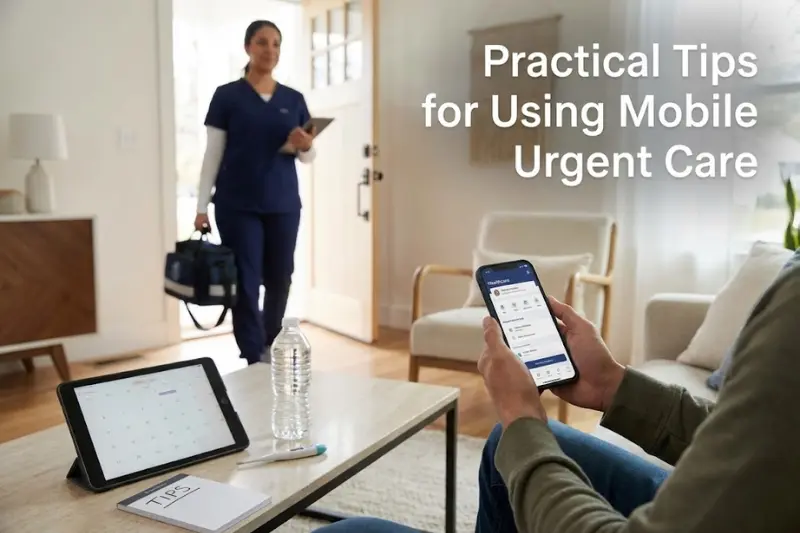
Using mobile urgent care effectively isn’t complicated, but a few simple tips can help you get the most out of the service, save time, and ensure a smooth experience.
How to Book
Most providers offer multiple booking options through apps, websites, or phone calls. Some even allow same-day appointments for urgent needs. When booking, provide clear details about your location, symptoms, and any prior medical history that may be relevant. This helps the provider arrive prepared and ensures you get efficient care.
What to Prepare
Before the visit, gather any necessary items that might help the provider:
- List of current medications and dosages.
- Recent medical records, lab results, or imaging if relevant.
- Insurance information for verification.
- A comfortable space for the provider to examine or treat you.
Having these ready makes the visit quicker and more productive.
Frequently Asked Questions About Mobile Urgent Care
What is mobile urgent care?
It’s a healthcare service that brings urgent medical care directly to your location for non-life-threatening issues.
What conditions can mobile urgent care treat?
Common issues include minor injuries, infections, fevers, rashes, vaccinations, and routine checkups.
How do I book a mobile urgent care visit?
Most providers allow bookings via phone, website, or app, often offering same-day appointments.
Is mobile urgent care covered by insurance?
Many services accept insurance, but coverage varies always check with both your provider and insurer.
When should I avoid mobile urgent care?
Life-threatening emergencies, major trauma, or conditions requiring advanced diagnostics should go directly to an ER.
Conclusion
Mobile urgent care is transforming the way we think about healthcare. It’s fast, flexible, and patient-focused bringing professional medical care directly to your home, office, or wherever life happens. From minor injuries and infections to routine checkups, this service saves time, reduces stress, and provides personalized attention that traditional urgent care centers often can’t match.
While it’s not a replacement for emergency services, mobile urgent care fills a vital gap in everyday healthcare. By understanding how it works, its benefits, and how to use it effectively, you can make informed decisions that keep you and your loved ones healthy without sacrificing convenience or quality.
May be you like it:
Advantages of E-Learning – Key Benefits of Online Education
E-Learning Quran – Learn Quran Online
Scope of Digital Marketing – Career & Business Opportunities
Digital Marketing Executive – Roles, Skills & Career Guide
