

What is E-Learning?
E-learning, short for electronic learning, refers to gaining knowledge and skills through digital platforms using the internet. Instead of attending physical classrooms, learners can access courses, lectures, and study materials online via computers, tablets, or even smartphones.
It can take many forms, such as:
- Online courses and certifications
- Virtual classrooms and webinars
- Mobile learning apps
- Interactive video lessons and simulations
In short, e-learning uses technology to make education accessible, flexible, and engaging for learners of all ages.
Why E-Learning is Gaining Popularity
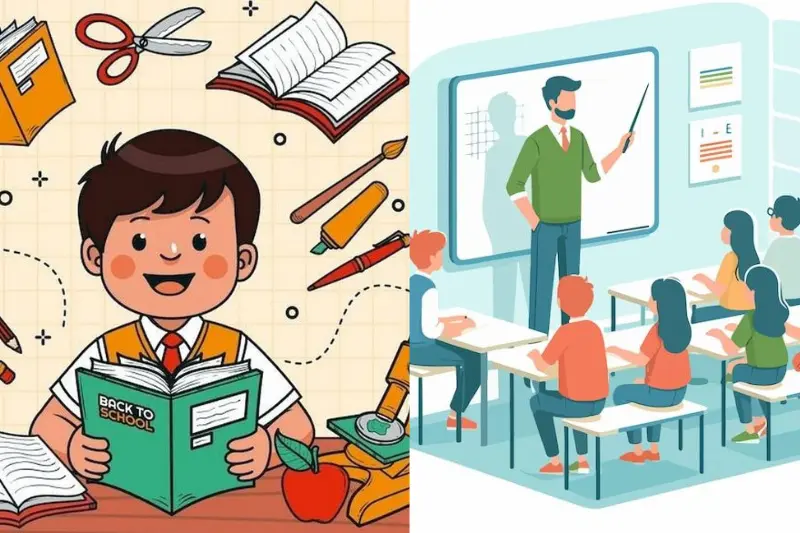
E-learning has seen rapid growth in recent years, and for good reasons. With busy lifestyles, rising education costs, and global access to the internet, more people are turning to online education.
Some key reasons for its popularity include:
- Flexibility: Learn at your own pace and schedule
- Affordability: Online courses are often cheaper than traditional ones
- Accessibility: Education is available to anyone with an internet connection
- Technology integration: Tools like AI, VR, and gamification make learning more interactive
This growing demand shows that e-learning is not just a trend—it’s becoming the new normal in education.
Technology for Blind People – Education to Daily Life
Tech News Top App – Stay Updated with Latest Tech Trends
Future Tech Solutions – Shaping the Digital Era
Main Advantages of E-Learning
Flexibility and Convenience in Learning
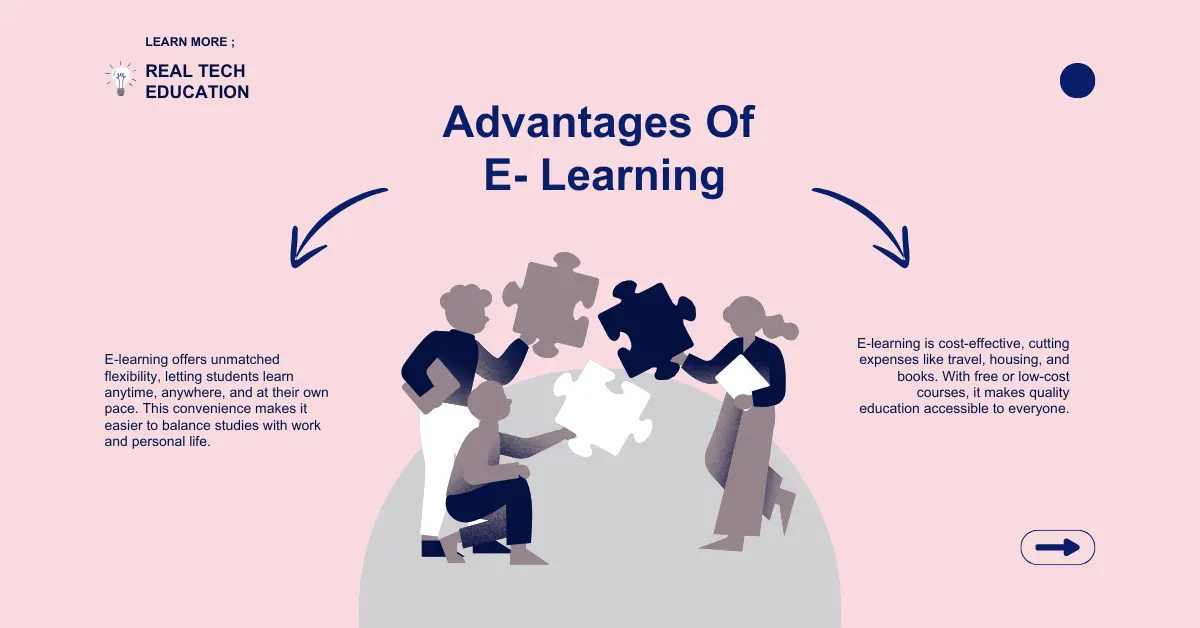
One of the greatest benefits of e-learning is the flexibility it offers. Unlike traditional classrooms, online education allows students to learn anytime and anywhere. Whether you’re a full-time student, a working professional, or a stay-at-home parent, you can set your own schedule and learn at a pace that suits you. This convenience makes it easier to balance education with personal and professional responsibilities.
Cost-Effective Education for Everyone
E-learning is often more affordable compared to traditional education. It eliminates costs such as travel, accommodation, and printed study materials. Many online platforms even provide free courses or offer affordable subscription plans, making high-quality education accessible to people from all financial backgrounds. This cost-effectiveness is one of the main reasons why millions are choosing e-learning today.
A Wide Variety of Courses and Subjects
Another big advantage of e-learning is the endless variety of courses available. From academic subjects like mathematics and science to professional skills like digital marketing, coding, or graphic design, learners can find a course that matches their interests or career goals. This wide range ensures that students can keep upgrading their knowledge and skills in any field they choose.
Personalized and Self-Paced Learning Experience
Unlike the one-size-fits-all approach of traditional classrooms, e-learning offers a personalized learning experience. Students can pause, rewind, or rewatch lessons until they fully understand the topic. They can also skip sections they’re already familiar with. Many platforms use AI and progress tracking tools to recommend courses and measure performance, giving learners control over their own journey.
Access to Global Experts and Resources
Through e-learning, students can learn directly from world-class instructors and professionals without leaving their homes. Many platforms partner with top universities, industry leaders, and global experts to deliver high-quality content. Learners also gain access to digital resources like e-books, research papers, and recorded lectures, which enhances their overall learning experience.
Eco-Friendly and Sustainable Education
E-learning is not only good for learners but also for the environment. Since there’s less reliance on printed materials and no need to commute, online education helps reduce paper waste and carbon emissions. By choosing e-learning, individuals contribute to a more eco-friendly and sustainable approach to education, supporting both personal growth and environmental protection.
Career Growth and Skill Development Opportunities
E-learning has become a powerful tool for career advancement. Professionals can upskill or reskill without taking a break from their jobs. Many online courses provide industry-recognized certifications that add value to resumes and improve job prospects. With industries evolving rapidly, continuous online learning ensures that individuals stay updated with the latest trends and technologies, opening doors to new opportunities.
E-Learning vs Traditional Learning: Comparison Table
| Factor | E-Learning | Traditional Learning |
|---|---|---|
| Accessibility | Accessible anytime, anywhere with an internet connection | Requires physical presence in classrooms or institutions |
| Cost | More affordable, fewer expenses (travel, books, housing) | Higher tuition fees plus additional costs (commuting, accommodation, textbooks) |
| Engagement | Interactive through videos, forums, live chats, and AI tools, but may feel less personal | Face-to-face interaction with teachers and peers, group activities, and networking |
| Learning Pace | Self-paced; learners can study at their own speed | Fixed pace; all students follow the same schedule |
| Variety of Options | Wide range of global courses across subjects and industries | Limited to courses offered by the institution |
| Flexibility | High flexibility; balance studies with work or personal life | Fixed schedule; less room for flexibility |
| Environmental Impact | Eco-friendly (no commuting, fewer printed materials) | Higher carbon footprint (commuting, physical resources needed) |
Which B.Tech Course is Best for Future – Career Guide
MPA Nashik e Learning – Online Police Training Platform
SBI e Learning – Online Training & Employee Courses
Future of E-Learning
The Role of Technology in Online Education
Technology is the backbone of e-learning, making it more accessible, interactive, and effective. With high-speed internet, cloud storage, and powerful digital platforms, learners can now access lectures, assignments, and resources from anywhere in the world. Video conferencing tools, learning management systems (LMS), and mobile apps have made it easy for students and teachers to connect virtually.
Additionally, technology enables features like:
- Recorded lectures for on-demand learning
- Interactive quizzes and instant feedback
- Gamification to make learning fun and engaging
- Global collaboration through discussion forums and group projects
As technology continues to evolve, e-learning will only become more advanced, offering richer experiences and broader opportunities for learners.
How AI and Virtual Reality Are Transforming Learning
Artificial Intelligence (AI) and Virtual Reality (VR) are two innovations reshaping the future of online education.
- AI in E-Learning: AI-powered platforms can analyze a learner’s progress and personalize lessons accordingly. From chatbots that answer questions instantly to recommendation engines that suggest relevant courses, AI ensures a more tailored learning experience.
- VR in E-Learning: Virtual Reality allows students to immerse themselves in simulated environments, making complex concepts easier to understand. For example, medical students can perform virtual surgeries, and engineers can explore 3D models of machines before working on real-life projects.
Together, AI and VR are making e-learning more interactive, engaging, and practical. They bridge the gap between theory and practice, giving learners hands-on experience in a virtual environment.
FAQs About E-Learning
Is E-Learning as effective as classroom learning?
Yes, e-learning can be just as effective—sometimes even more—than traditional classroom learning. With features like interactive videos, quizzes, and personalized learning paths, students often find it easier to grasp concepts at their own pace.
What are the main challenges of e-learning?
Some common challenges include lack of face-to-face interaction, the need for strong self-discipline, and limited hands-on practice for certain subjects. However, modern tools like live sessions, discussion forums, and virtual simulations are helping to overcome these challenges.
Who can benefit the most from e-learning?
E-learning is beneficial for students, working professionals, and lifelong learners alike. It is especially useful for those who want flexibility, need affordable education options, or are looking to gain new skills without leaving their current job.
Is e-learning recognized by employers?
Yes. Many employers now value online certifications and degrees, especially when they come from reputable platforms or institutions. Certifications in in-demand fields such as digital marketing, coding, data science, and project management are highly respected.
What tools are commonly used in e-learning?
Popular tools include Learning Management Systems (LMS) like Moodle or Canvas, video conferencing apps like Zoom or Google Meet, and platforms such as Coursera, Udemy, and LinkedIn Learning. These tools make online education structured and engaging.
Is E-Learning as effective as classroom learning?
Yes, e-learning can be highly effective, often matching or even surpassing traditional classroom methods. Studies show that online learners retain 25–60% more material compared to face-to-face learning, thanks to the flexibility of revisiting content and self-paced modules. However, effectiveness also depends on the learner’s discipline, the quality of the course, and the technology used.
Conclusion
E-learning is no longer just an alternative to traditional education—it has become a mainstream solution for millions of learners worldwide. With its flexibility, affordability, and accessibility, online education empowers people to learn at their own pace and on their own terms. Add to that the power of technology, AI, and virtual reality, and it’s clear that e-learning is only going to get more advanced and engaging in the future.
From students seeking better opportunities to professionals aiming for career growth, e-learning offers something valuable for everyone. Its ability to break down geographical and financial barriers makes it a truly global and inclusive way to learn.
Digital Marketing Internship – Kickstart Your Career
Best Digital Marketing Agency – Grow Your Business Fast
