

Introduction: Why Marketing Matters for Insurance Brokers
If you think insurance is just about policies and paperwork, think again. In 2026, marketing strategies for insurance brokers aren’t just an optional extra-they’re the lifeline to attracting and retaining clients. People don’t just buy insurance; they buy trust, reassurance, and a sense that someone genuinely understands their needs. That’s where smart marketing comes in.
Over the past few years, the landscape has shifted dramatically. Traditional methods like cold calls and door-to-door meetings still exist, but they no longer dominate. Today, brokers who succeed blend digital outreach, personalized communication, and authentic storytelling. Social media, content marketing, targeted ads, and referral networks are now essential tools. It’s no longer enough to wait for clients to find you-successful brokers proactively create visibility, credibility, and connection.
By understanding why marketing is so vital and adapting to modern strategies, brokers can build relationships that last, convert leads faster, and ultimately grow their business sustainably. Think of it as moving from just selling policies to genuinely guiding clients toward better financial security.
Table of Contents
Understanding Your Target Audience
You can have the slickest website, the flashiest social media posts, or the most persuasive emails-but if you’re speaking to the wrong people, it won’t matter. That’s why understanding your target audience is the cornerstone of any effective marketing strategy for insurance brokers. Knowing who your clients are, what they need, and how they think allows you to craft messages that truly resonate.
Start with the basics: demographics. Are your ideal clients young professionals just starting their careers, or established families planning for long-term security? Where do they spend time online? What kind of insurance concerns keep them up at night? Answering these questions gives you a clear roadmap for reaching the right people at the right time.
Once you have this foundation, create buyer personas. These aren’t just abstract ideas-they’re semi-fictional representations of real clients. For example, imagine “Alex, 28, recently married, looking for life insurance and home coverage.” Alex is active on Instagram, values convenience, and responds well to personalized emails. Now, every blog, social post, or newsletter you create can speak directly to someone like Alex, rather than a vague “prospect.”
The beauty of personas is that they make your marketing more human. Instead of sending generic pitches, you’re having a conversation with real people, addressing real concerns. When done right, this approach doesn’t just attract clients-it builds trust, loyalty, and long-term relationships.
Building a Strong Online Presence
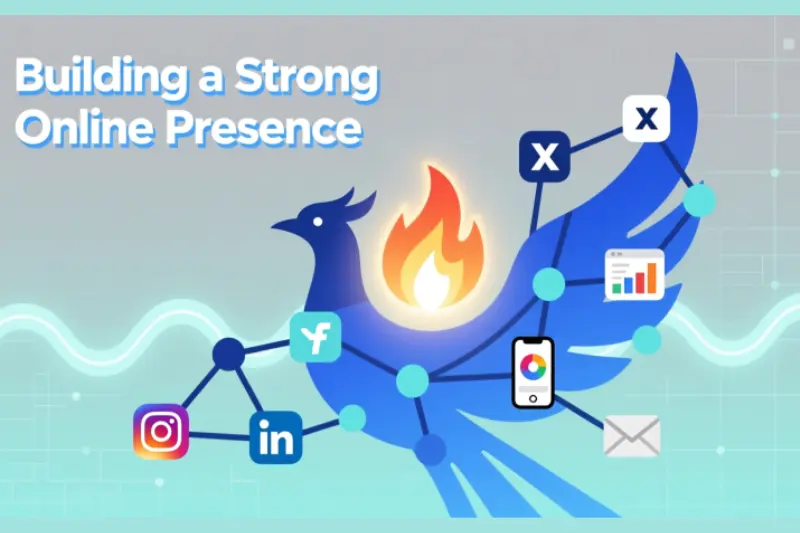
In 2026, having a strong online presence isn’t just a bonus for insurance brokers-it’s expected. Clients start their search online, compare options, and often make decisions before ever picking up the phone. That’s why building a strong online presence is one of the most effective marketing strategies for insurance brokers today.
The foundation starts with your website. Think of it as your digital storefront-it should be easy to navigate, fast-loading, and mobile-friendly. A confusing website or broken links can turn potential clients away in seconds. Beyond usability, search engine optimization (SEO) ensures people actually find you when they search for insurance solutions. Using clear headings, informative content, and relevant keywords naturally helps your site appear in the right search results.
But a website alone isn’t enough. Showcasing your expertise through blogs, videos, and guides positions you as a trusted authority. A short video explaining “Top 5 Tips for Choosing Life Insurance” or a blog post about common misconceptions in auto coverage can educate your audience while subtly demonstrating your knowledge. These resources also give clients a reason to keep returning, share your content, and recommend you to others.
Remember, the goal isn’t just to exist online-it’s to make every interaction meaningful. When your website and content clearly communicate expertise, clients feel confident in choosing you over competitors who may have flashy ads but no real substance.
May be you like it:
New Gadgets – Latest Tech You Must Check Out
New Innovations – Shaping the Future 2025
Tech Gifts for Teenagers – Smart & Trendy Ideas
Social Media Marketing Strategies
Social media isn’t just for sharing memes or vacation photos-it’s a powerful tool for insurance brokers to connect with clients and build trust. In fact, mastering social media marketing strategies can set you apart in a crowded market.
Not all platforms are created equal. For insurance brokers, LinkedIn is ideal for professional networking and connecting with business clients. Instagram works well for younger audiences, using visuals and stories to simplify complex insurance topics. And Facebook remains effective for community engagement and local outreach. The key is knowing where your target audience spends their time and tailoring your approach to each platform.
Engagement is where the magic happens. Don’t just post generic content-spark conversations. Host Q&A sessions, go live to explain policy updates, or share real-life stories that demonstrate your expertise. Even simple interactions, like responding promptly to comments or joining local community groups, can make clients feel seen and valued.
Here’s a tip: mix informative content with personal touches. Share a short anecdote about a client experience (without revealing private details) or a behind-the-scenes glimpse of your day. It humanizes your brand and builds a stronger connection. Remember, people are more likely to work with someone they trust-and social media gives you the perfect platform to show that trustworthiness.
Content Marketing & Thought Leadership
In today’s competitive insurance market, people aren’t just buying policies-they’re looking for guidance, clarity, and someone they can trust. That’s where content marketing and thought leadership come in. By sharing valuable insights, you position yourself as a knowledgeable, reliable expert, which makes clients feel confident choosing you.
Start by educating your audience. Write articles or create guides that answer common questions, like “How to Choose the Right Life Insurance” or “Understanding Health Insurance Benefits.” Infographics are perfect for breaking down complicated information into visual, easy-to-digest pieces, while explainer videos can add a personal touch and make abstract concepts tangible.
The real power of thought leadership is consistency. A broker who regularly publishes useful content isn’t just promoting themselves-they’re actively helping clients make better decisions. Over time, this builds credibility and trust. Imagine a potential client stumbling upon your blog while researching coverage options; the clear, helpful content makes them more likely to reach out to you rather than a competitor.
Remember, your goal isn’t to sell immediately-it’s to educate and guide. By providing real value, you create a natural pathway for clients to come to you when they’re ready to make a decision.
Email Marketing & Lead Nurturing
Even in the age of social media, email remains one of the most effective tools for insurance brokers. Done right, email marketing and lead nurturing can turn casual website visitors into loyal clients. The key is personalization-clients respond when emails feel like they were crafted just for them, not blasted to a generic list.
Start by segmenting your audience. For example, a young professional looking for health insurance may receive different content than a family exploring life insurance options. Tailoring your messages ensures relevance and increases the chances of engagement. Simple subject lines, a friendly tone, and clear calls-to-action go a long way in keeping readers interested.
Automation tools can save you time while maintaining a personal touch. You can schedule welcome sequences, policy reminders, or educational tips that reach clients exactly when they need them. For instance, sending a short “Insurance Checklist for New Homeowners” a week after someone downloads a guide shows you’re paying attention to their journey-and it positions you as a helpful, proactive advisor.
Remember, email isn’t just about selling-it’s about nurturing relationships. When prospects feel informed and supported, they’re far more likely to choose you when they’re ready to make a decision.
Referral Programs & Word-of-Mouth Marketing
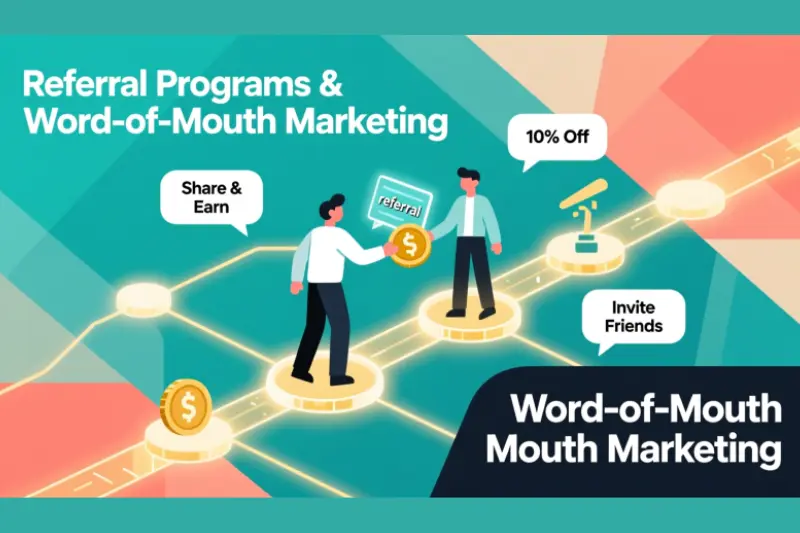
Sometimes the best marketing doesn’t come from flashy ads-it comes from happy clients talking about you. For insurance brokers, referral programs and word-of-mouth marketing remain some of the most powerful ways to grow your business. People trust recommendations from friends and family far more than any advertisement, and a strong referral strategy leverages that trust.
Start by encouraging satisfied clients to share their experiences. A simple conversation, a friendly email, or even a quick call can remind them that you value their referrals. Consider implementing incentives like gift cards, discounts on policy renewals, or charitable donations in their name-small gestures that make clients feel appreciated.
Don’t forget the power of thank-you programs. A handwritten note or a personal message acknowledging a referral goes a long way in building loyalty. Testimonials are equally important. Sharing short, authentic client stories (with permission, of course) on your website or social media not only highlights your expertise but also adds a human touch that resonates with potential clients.
Remember, the goal isn’t just to ask for referrals-it’s to create an experience worth sharing. When clients feel genuinely valued and supported, word-of-mouth marketing becomes a natural extension of your service, helping you reach new prospects without heavy advertising costs.
May be you like it:
Future Tech Olympiad – Unlock Future Careers
Futura Tech Park – Hub of Innovation
Future Tech Skills – You Must Learn for Career Growth
Paid Advertising & Retargeting
While organic strategies build trust and long-term relationships, paid advertising and retargeting can give your insurance business a faster boost. Platforms like Google Ads or social media ads allow you to reach people actively searching for insurance or browsing topics related to your services. Retargeting takes it a step further, showing ads to visitors who have already interacted with your website-keeping your brand top-of-mind when they’re ready to make a decision.
The key is balance. Paid campaigns can be highly effective, but they shouldn’t replace the foundation you’ve built with organic content and referrals. Think of it like a supportive teammate rather than the star player. For instance, running a small Google Ads campaign targeting “life insurance for young families” can complement your blog content or social media posts on the same topic, creating a cohesive journey for your audience.
Budgeting wisely is essential. Start with a modest spend, test different ad formats, and track which campaigns generate leads or inquiries. Over time, refine your approach based on results. The goal isn’t just to drive clicks-it’s to attract the right clients efficiently while maintaining trust and credibility.
Networking & Partnership Strategies
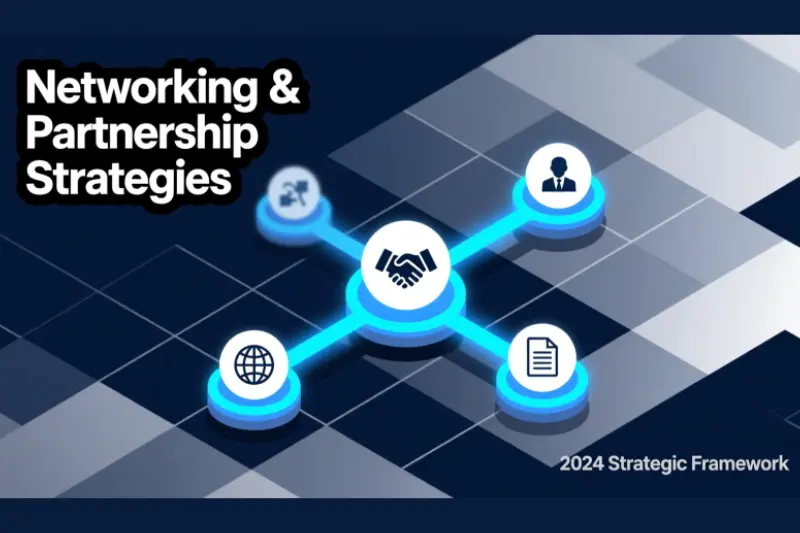
No broker is an island. Building meaningful connections with other professionals and your community is a powerful way to grow your client base. Networking and partnership strategies aren’t just about exchanging business cards-they’re about creating mutually beneficial relationships that naturally bring referrals and opportunities.
Start by collaborating with complementary professionals. Real estate agents, financial planners, mortgage brokers, and even local business owners often work with clients who need insurance guidance. By forming partnerships, you can become their trusted go-to expert for insurance questions. For example, a real estate agent closing on a new home might recommend you to their client for homeowners insurance-benefiting both parties.
Attending events is equally important. Local community programs, industry webinars, and networking meetups allow you to meet people face-to-face (or virtually) and demonstrate your expertise personally. Even small gestures, like hosting a short seminar on “Understanding Life Insurance for Young Families,” can leave a lasting impression and spark conversations that turn into referrals.
The key is consistency. Networking isn’t a one-off activity; it’s about showing up, providing value, and nurturing relationships over time. When done right, these connections don’t just lead to more clients-they build credibility and trust that lasts long after the first meeting.
Measuring Success & Adapting Strategies
You can implement every marketing tactic under the sun, but without tracking results, it’s like sailing without a compass. For insurance brokers, measuring success and adapting strategies is essential to ensure your efforts actually deliver value.
Start by identifying key metrics. Lead generation tells you how many potential clients are discovering your services. Conversion rates show how effectively those leads become actual clients. And client retention reflects the strength of your relationships-after all, keeping a satisfied client is far more cost-effective than constantly chasing new ones.
Once you have this data, analytics becomes your secret weapon. Look for patterns: which social media posts generate the most inquiries? Which email campaigns get opened and acted upon? Which referral incentives are producing real results? By understanding what works (and what doesn’t), you can refine your strategies, allocate resources wisely, and maximize ROI.
Think of it as a continuous feedback loop. Marketing is not a set-it-and-forget-it game; it’s about learning, adjusting, and improving over time. Brokers who pay attention to the numbers and adapt accordingly not only grow faster but also create a more predictable, sustainable business model.
FAQs
Why is marketing important for insurance brokers?
Marketing helps brokers attract the right clients, build trust, and stand out in a competitive industry. Without it, potential leads may never find you.
Which marketing channels work best for insurance brokers?
A mix of digital channels (social media, email, SEO) and traditional methods (referrals, networking) usually works best, tailored to your target audience.
How can I make my marketing more effective?
Understanding your audience, creating buyer personas, and delivering personalized, valuable content increases engagement and conversions.
Are paid ads worth it for insurance brokers?
Yes, when combined with organic strategies. Google Ads, social media ads, and retargeting can generate leads quickly if targeted and monitored carefully.
How do I know if my marketing strategies are working?
Track key metrics like lead generation, conversion rates, client retention, and ROI. Use analytics to refine and improve your strategies over time.
Conclusion
Marketing strategies for insurance brokers in 2026 are no longer just about promoting policies-they’re about building trust, connecting with clients, and providing real value. From understanding your audience and creating tailored content to leveraging social media, referrals, and paid advertising, every strategy works best when it’s thoughtful and client-focused.
Remember, success doesn’t come from doing everything at once-it comes from consistently applying the right strategies, measuring results, and adapting along the way. By combining expertise, creativity, and genuine human connection, you’re not just attracting leads-you’re cultivating lasting relationships that grow your business sustainably.
May be you like it:
Advantages of E-Learning – Key Benefits of Online Education
E-Learning Quran – Learn Quran Online
Scope of Digital Marketing – Career & Business Opportunities
Digital Marketing Executive – Roles, Skills & Career Guide
