

Introduction
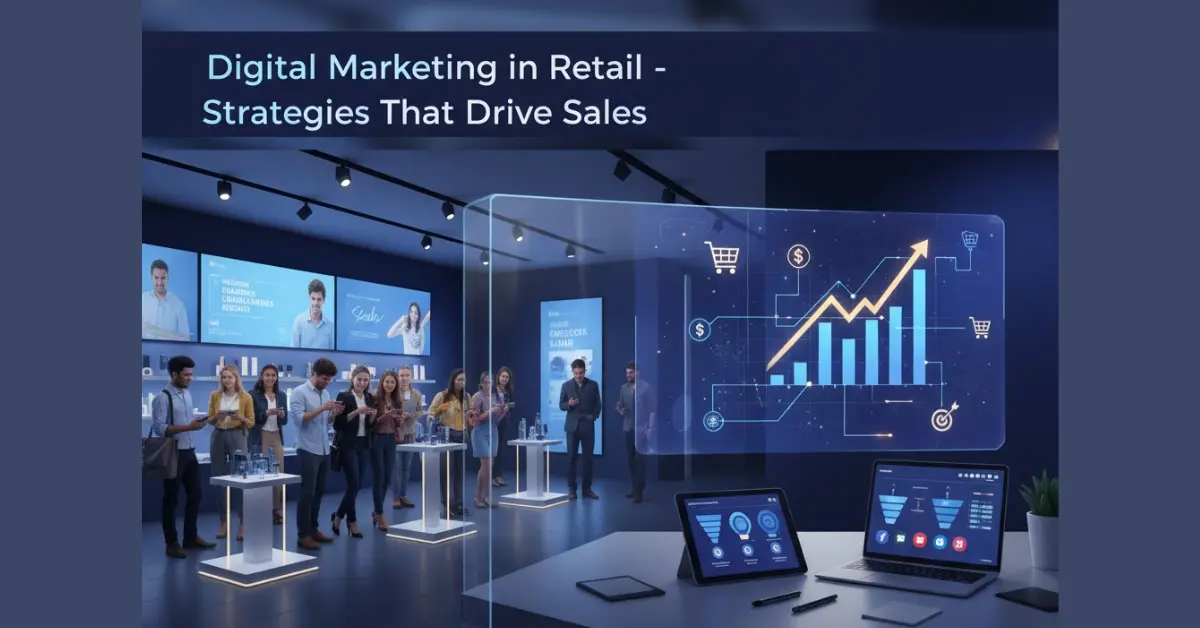
Walk into any store today, and you might notice something curious: fewer people browsing aimlessly, more shoppers glancing at their phones, comparing prices, checking reviews, or scanning QR codes. Traditional retail alone just doesn’t cut it anymore. Shoppers are more informed, more selective, and they expect convenience at every step.
That’s where digital marketing in retail becomes a game-changer. It’s not just about running ads online – it’s about creating a seamless bridge between the digital and physical shopping experience. From personalized emails to social media campaigns and targeted online ads, digital marketing shapes how customers discover, evaluate, and ultimately buy products.
Think of it this way: a customer might scroll through Instagram in the morning, see a product that catches their eye, visit your website during lunch, and then walk into your store in the evening to make the purchase. Without digital marketing guiding that journey, you might never reach them at all.
Table of Contents
Understanding Your Audience
One of the biggest mistakes retailers make is assuming every customer behaves the same. The truth? Your audience is a mix of personalities, preferences, and shopping habits. That’s why digital marketing in retail starts with truly understanding who your customers are.
Customer segmentation is the foundation. By grouping shoppers based on age, location, purchase history, or even browsing behavior, you can tailor messages that actually resonate. Imagine receiving a discount on winter boots when you’ve just been browsing hiking gear – it feels personal, relevant, and much more likely to lead to a sale.
But segmentation alone isn’t enough. Personalization takes it a step further. Using data from past purchases, online behavior, or loyalty program activity, retailers can predict what a customer might want next. For instance, if someone often buys coffee-related items, a promotion for a new espresso machine or limited-edition beans can feel almost intuitive – like your brand “gets” them.
By combining segmentation and predictive insights, digital marketing in retail becomes more than advertising. It becomes a conversation with your customers, anticipating their needs and helping them feel understood – which, in the end, builds trust and loyalty.
Omnichannel Retail Marketing

In today’s retail landscape, customers don’t shop in straight lines. They might scroll through your Instagram on their phone, check reviews on a laptop, and then swing by your store on the weekend. This is where digital marketing in retail truly shines – by creating an omnichannel experience that connects all these touchpoints seamlessly.
Integrating online, offline, and mobile channels isn’t just a buzzword. It’s about ensuring the customer feels the same brand experience no matter where they interact with you. For example, a shopper who adds a pair of shoes to their online cart should receive a friendly reminder via email or push notification if they leave without checking out. Meanwhile, the same store could highlight in-store promotions for complementary items, like socks or shoe care kits, bridging the gap between digital and physical retail.
Real-life examples show how powerful this can be. Some brands let customers reserve online and pick up in-store, which saves time and reduces friction. Others use mobile apps to send location-based offers when a shopper enters a store. Even small touches – like integrating loyalty points across online and offline purchases – make customers feel recognized and valued.
By thinking omnichannel, retailers don’t just sell products – they create a fluid, connected experience that meets customers wherever they are, making the shopping journey intuitive and enjoyable.
May be you like it:
New Gadgets – Latest Tech You Must Check Out
New Innovations – Shaping the Future 2025
Tech Gifts for Teenagers – Smart & Trendy Ideas
Content Marketing Strategies
When it comes to digital marketing in retail, content isn’t just filler – it’s a way to connect, educate, and inspire your audience. Think beyond product listings. Videos, blogs, tutorials, and even behind-the-scenes glimpses can all play a role in keeping customers engaged.
For example, a small home décor shop might create short “how-to” videos showing different ways to style a room with their products. Not only does this provide practical value, but it also subtly showcases items in real-life situations – which often drives more purchases than a simple photo ever could. Similarly, a fashion retailer could maintain a blog highlighting seasonal trends or styling tips, positioning themselves as an expert while building trust with readers.
Storytelling is another powerful tool. Customers don’t just buy products; they buy experiences, emotions, and narratives they can relate to. Sharing stories about how a product was made, spotlighting loyal customers, or highlighting your brand’s sustainability efforts can create an emotional connection that turns casual shoppers into repeat buyers.
Social Media Marketing for Retail
Social media isn’t just a place to post pretty pictures – it’s one of the most powerful tools in digital marketing in retail. Platforms like Instagram, TikTok, and Facebook each have their own quirks and audiences, and understanding these nuances can make all the difference.
On Instagram, visually appealing posts and Stories can showcase new arrivals or limited-edition products. TikTok thrives on short, entertaining videos – think styling tips, product hacks, or quick behind-the-scenes glimpses. Facebook, meanwhile, is great for community engagement, sharing updates, and running highly targeted ads to reach specific demographics.
Influencer partnerships and user-generated content take this a step further. Collaborating with influencers who genuinely align with your brand can introduce your products to highly engaged audiences. At the same time, encouraging customers to share their own photos or reviews creates authentic social proof – nothing sells a product better than seeing a real person enjoy it.
For instance, a boutique might repost a customer’s Instagram photo wearing their outfit, tagging the shopper and thanking them. That simple action builds a sense of community, trust, and loyalty – all while spreading brand awareness organically.
Email & CRM Marketing
Even in the age of social media, email remains one of the most effective tools in digital marketing in retail – when done right. But it’s not about blasting generic promotions to everyone on your list. Personalization is key. Customers respond when emails feel tailored to their interests, past purchases, or browsing behavior.
Loyalty programs tie in perfectly here. For example, sending a special birthday discount or early access to new arrivals can make customers feel valued and more likely to return. These small gestures build retention and strengthen the relationship between your brand and your shoppers.
Automation tools can take this a step further, saving time while keeping communications timely and relevant. Abandoned cart reminders, product recommendations, or re-engagement campaigns can all be automated, ensuring your audience hears from you at the right moment – without manually sending every email.
The result? A smarter, more efficient marketing system that not only keeps your brand top-of-mind but also converts casual buyers into loyal customers. When combined with other digital marketing strategies, email and CRM efforts can become a backbone of your retail growth strategy.
Paid Advertising & Retargeting
In the world of digital marketing in retail, paid advertising is more than just a way to get eyeballs on your products – it’s a precision tool to reach the right customer at the right time. Platforms like Google Ads, Facebook, Instagram, and TikTok allow retailers to target audiences based on behavior, interests, and demographics, making every ad dollar count.
Retargeting takes this strategy a step further. Imagine a shopper browses your online store, checks out a pair of sneakers, but leaves without purchasing. A well-timed retargeting ad reminding them of that product – maybe even with a limited-time discount – can nudge them back to complete the sale. It’s like gently saying, “Hey, remember this? You might still love it.”
Data-driven targeting is the secret sauce here. By analyzing which campaigns drive clicks, conversions, or repeat purchases, you can refine your approach, shifting budget toward ads that actually generate ROI. Over time, this creates a smart, efficient advertising system that not only drives sales but also builds awareness and loyalty.
May be you like it:
Future Tech Olympiad – Unlock Future Careers
Futura Tech Park – Hub of Innovation
Future Tech Skills – You Must Learn for Career Growth
SEO & Local SEO in Retail
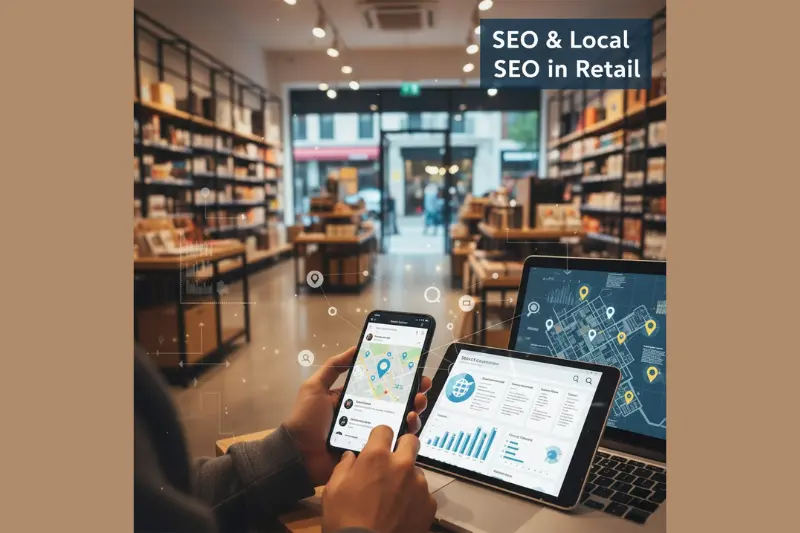
When people search online for products or stores near them, your visibility can make or break a sale. That’s why digital marketing in retail isn’t complete without a solid SEO strategy – and local SEO is equally critical for brick-and-mortar stores.
Optimizing product pages goes beyond stuffing keywords. Clear product descriptions, high-quality images, customer reviews, and fast-loading pages all play a role in helping search engines understand and rank your content. Adding structured data like product availability and pricing can also boost visibility in search results, making it easier for shoppers to find exactly what they need.
Local SEO focuses on “near me” searches, which are often high-intent. Think about it: someone searching for “coffee shop near me” is ready to visit today. To rank higher, ensure your Google Business Profile is complete, accurate, and regularly updated. Encourage happy customers to leave reviews, use local keywords in content, and ensure your store’s address, phone number, and hours are consistent across all platforms.
By combining product page optimization with strong local SEO, retailers can attract not just more traffic, but the right traffic – shoppers who are ready to buy. In today’s competitive landscape, mastering both is a must for any digital marketing in retail strategy.
Analytics, Tracking, and Optimization
Running campaigns without tracking their performance is like sailing without a compass. In digital marketing in retail, analytics are your guide to understanding what works, what doesn’t, and where to invest your efforts next.
From website traffic and click-through rates to conversion metrics and customer behavior, data provides a clear picture of how shoppers interact with your brand. For example, if an Instagram ad drives lots of clicks but few purchases, it’s a sign to tweak messaging, targeting, or landing pages. Conversely, identifying campaigns that consistently convert allows you to scale them efficiently.
The real magic comes from continuous optimization. Using insights from analytics, you can refine strategies in real-time – adjusting email campaigns, testing ad creatives, or personalizing offers based on customer preferences. This isn’t guesswork; it’s an evidence-based approach that ensures every marketing effort contributes to sales, loyalty, and long-term growth.
Future Trends & Emerging Technologies
The world of retail is changing fast, and digital marketing in retail is evolving right alongside it. Technologies like artificial intelligence (AI), augmented reality (AR), and virtual reality (VR) are no longer futuristic concepts – they’re already shaping how customers discover, try, and buy products.
AI can personalize shopping experiences at scale, predicting what a customer might want before they even know it themselves. AR allows shoppers to virtually “try on” clothes, see how furniture fits in their living room, or explore products in a lifelike 3D environment – all from the comfort of home. VR goes even further, creating fully immersive shopping experiences that make online shopping feel like stepping into a real store.
Retailers who embrace these technologies early can create unique, memorable experiences that set them apart from competitors. It’s not just about flashy tech; it’s about solving real customer problems, making shopping easier, more interactive, and more enjoyable. Preparing for these innovations today means your brand will stay relevant and ahead of the curve in the next evolution of digital marketing.
FAQs
What is digital marketing in retail?
It’s using online tools and strategies – like social media, email, SEO, and ads – to attract, engage, and retain retail customers.
Why is digital marketing important for retail businesses?
It helps retailers reach more customers, personalize experiences, and drive sales both online and in-store.
How can social media boost retail sales?
Platforms like Instagram, TikTok, and Facebook allow brands to showcase products, run ads, collaborate with influencers, and build authentic engagement.
What is omnichannel retail marketing?
It’s connecting online, offline, and mobile touchpoints so customers enjoy a seamless shopping experience across all channels.
How do analytics improve digital marketing in retail?
By tracking customer behavior and campaign performance, retailers can make smarter decisions, optimize strategies, and increase ROI.
Conclusion
Digital marketing in retail isn’t just about running campaigns or posting online – it’s about creating meaningful connections with customers wherever they are. From understanding your audience and delivering personalized content to leveraging social media, paid ads, and emerging technologies, every strategy works together to make shopping easier, more engaging, and memorable.
The key takeaway? Retailers who embrace digital marketing thoughtfully don’t just sell products – they build trust, loyalty, and experiences that keep customers coming back. Ask yourself: Are you meeting your customers where they really are, or leaving opportunities on the table? The right digital marketing approach ensures you’re not just keeping up – you’re staying ahead.
May be you like it:
Advantages of E-Learning – Key Benefits of Online Education
E-Learning Quran – Learn Quran Online
Scope of Digital Marketing – Career & Business Opportunities
Digital Marketing Executive – Roles, Skills & Career Guide
