

Introduction
When you think about cars today, it’s easy to forget how far they’ve come. The technology of cars has evolved dramatically over the past century-from simple engines that just got you from point A to point B, to complex machines packed with sensors, computers, and connectivity features. Today, cars are not just modes of transport; they’re smart devices on wheels, designed to make driving safer, more efficient, and more enjoyable.
Consider this: a car built in the 1960s had nothing more than basic brakes, a manual transmission, and a radio. Compare that to modern vehicles that can alert you when you’re drifting out of your lane, park themselves, or even update their software overnight. That leap in technology isn’t just flashy-it has real-world benefits. Drivers face fewer accidents, traffic moves more smoothly, and vehicles are becoming more environmentally friendly thanks to hybrid and electric options.
For society, these innovations go beyond convenience. Advanced safety systems reduce fatalities on the road. Electric vehicles help cut down emissions. Connected cars allow for smarter traffic management in cities. In short, the technology of cars is shaping not only our driving experience but also the future of urban mobility.
Table of Contents
Smart Safety Systems
One of the most noticeable ways the technology of cars has changed our driving experience is through smart safety systems. These aren’t just bells and whistles-they actively protect you and everyone on the road.
Take lane departure warning, for example. Have you ever caught yourself drifting slightly while daydreaming or checking your phone? Lane departure systems gently alert you-or even steer the car back-before it becomes dangerous. Then there’s automatic emergency braking, a feature that can sense an impending collision and apply the brakes in milliseconds, often preventing accidents that human reaction alone couldn’t stop.
Adaptive cruise control is another game-changer, especially for highway driving. Instead of constantly adjusting your speed manually, the car maintains a safe distance from the vehicle ahead, slowing down or speeding up automatically. It might sound like a small convenience, but in practice, it reduces stress, keeps traffic flowing smoother, and helps prevent rear-end collisions.
Real-world data supports these innovations. Studies show that vehicles equipped with smart safety features experience significantly fewer accidents. Drivers who might have struggled with reaction time or judgment now have an extra layer of protection. It’s a clear example of how the technology of cars doesn’t just improve comfort-it actively saves lives.
Electric and Hybrid Vehicle Technology
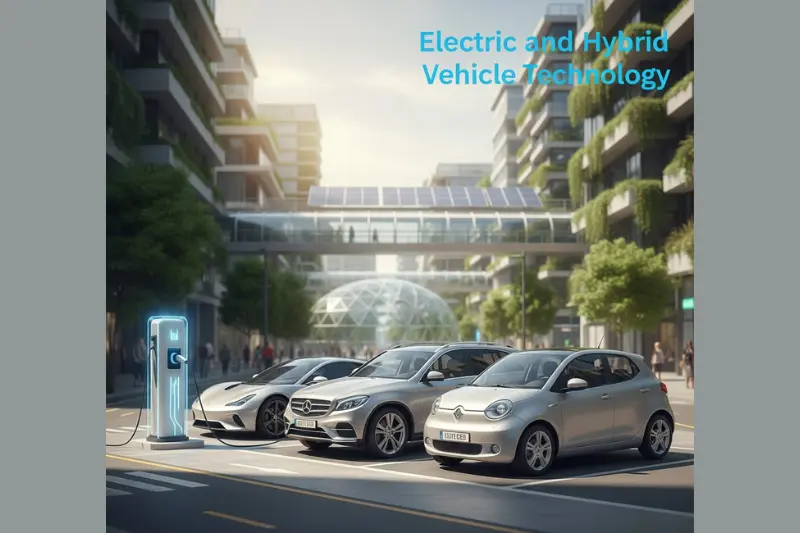
The technology of cars isn’t just about smarter safety-it’s also revolutionizing how cars are powered. Electric and hybrid vehicles have moved from niche options to mainstream contenders, and it’s easy to see why.
Battery technology has come a long way. Today’s EVs can travel hundreds of miles on a single charge, and fast-charging stations make recharging as quick as a coffee break in some cities. Hybrid vehicles, which combine a traditional engine with an electric motor, offer a sweet spot for drivers who want better fuel efficiency without fully committing to an EV.
These advancements don’t just improve performance-they make driving more sustainable. By reducing reliance on gasoline, electric and hybrid cars lower carbon emissions, contributing to cleaner air in cities. There’s also a financial benefit: lower fuel costs and fewer moving parts mean less maintenance and long-term savings for drivers.
Think about a commuter who drives daily in heavy traffic. Switching to a hybrid could cut their fuel expenses in half while reducing their carbon footprint. That’s practical, real-world impact. And as battery technology continues to improve, we can expect even longer ranges, faster charging, and more affordable options, making the technology of cars greener and smarter than ever.
May be you like it:
Technology for Blind People – Education to Daily Life
Tech News Top App – Stay Updated with Latest Tech Trends
Future Tech Solutions – Shaping the Digital Era
Autonomous and Self-Driving Features
One of the most exciting-and sometimes nerve-wracking-advancements in the technology of cars is autonomy. Self-driving features are no longer just a sci-fi dream; they’re part of real-world vehicles, slowly changing how we think about driving.
Cars today offer different levels of automation. Some assist with simple tasks like lane keeping and adaptive cruise control, while more advanced systems, such as highway autopilot, can handle steering, acceleration, and braking on certain stretches of road. Even parking has been simplified with automated systems that can navigate tight spots without a driver touching the wheel.
Of course, these systems aren’t perfect yet. Weather conditions, complex city streets, and unexpected obstacles can still challenge even the smartest AI. Drivers still need to stay alert, and the technology isn’t ready to fully replace humans-at least not across every scenario.
But the potential is massive. Imagine long highway trips where the car handles fatigue-inducing stretches, or urban commutes where self-driving tech helps reduce traffic congestion. Over time, as AI learns and sensors improve, autonomous vehicles could make roads safer, reduce accidents caused by human error, and even reshape public transportation. The technology of cars is steering us toward a future where driving is smarter, safer, and more efficient-but it’s also reminding us that innovation takes patience and careful testing.
Connected Cars and IoT Integration
The technology of cars isn’t just about driving-it’s about staying connected. Today’s vehicles are part of a growing ecosystem, communicating not only with drivers but also with other cars and infrastructure around them. This is where IoT (Internet of Things) integration comes into play.
Vehicle-to-vehicle (V2V) and vehicle-to-infrastructure (V2I) communication allows cars to share information about traffic conditions, accidents, or road hazards in real time. Imagine cruising down the highway and receiving an alert that there’s congestion up ahead, or your car automatically adjusting its route because a traffic signal detected a delay. That’s not science fiction-it’s happening now.
On the user side, smartphone integration and advanced infotainment systems make life behind the wheel more convenient and safer. You can stream music, follow GPS navigation, or even control smart home devices-all from your car’s interface. Some systems even monitor maintenance needs, like alerting you when a tire pressure is low or scheduling your next service appointment automatically.
The result is a more seamless, efficient, and enjoyable driving experience. By connecting cars to each other and to our digital lives, the technology of cars is turning vehicles into intelligent companions that help drivers make better decisions, stay informed, and ultimately enjoy the ride more.
Advanced Engine and Powertrain Innovations
When most people think about car technology, they picture gadgets and screens-but the heart of every vehicle is still its engine. The technology of cars has made incredible strides in engines and powertrains, balancing performance, efficiency, and environmental impact.
Modern combustion engines are far more efficient than their predecessors. Engineers have refined fuel injection, turbocharging, and cylinder management to squeeze more power from less fuel, reducing emissions without sacrificing performance. Then there are hybrid systems, which combine a traditional engine with an electric motor. This setup not only improves fuel efficiency but also provides a smoother, quieter ride in city driving.
Alternative fuels like hydrogen or biofuels are also gaining traction. While still not mainstream, they show how car makers are experimenting to reduce reliance on gasoline and lower environmental impact.
It’s a delicate balance. Drivers want powerful, responsive cars, but society increasingly demands cleaner, more sustainable options. Thanks to advanced engine and powertrain innovations, we’re seeing vehicles that deliver both-efficient, eco-conscious performance without forcing compromises on speed, comfort, or reliability.
Artificial Intelligence in Cars
The technology of cars has entered a new era thanks to artificial intelligence (AI). AI doesn’t just make vehicles smarter-it actively helps drivers make better decisions, stay safer, and enjoy a more convenient ride.
One of the most practical applications is predictive maintenance. AI algorithms monitor engine performance, tire health, and other critical systems. Instead of waiting for something to break, your car can alert you before a problem occurs, saving time, money, and frustration.
Smart routing is another area where AI shines. Imagine your car analyzing traffic patterns in real time, suggesting faster routes, and even adapting mid-journey if there’s an accident ahead. No more sitting idle in unexpected congestion-it’s like having a personal traffic assistant riding with you.
AI also enhances driver assistance systems, from detecting drowsiness to helping with tricky parking situations. These tools don’t replace the driver-they act as a reliable co-pilot, watching for mistakes, reducing stress, and making everyday driving safer.
By embedding intelligence into vehicles, the technology of cars is turning them into proactive partners on the road. It’s not just convenience; it’s a real improvement in safety, efficiency, and peace of mind.
May be you like it:
Which B.Tech Course is Best for Future – Career Guide
MPA Nashik e Learning – Online Police Training Platform
SBI e Learning – Online Training & Employee Courses
Car Design and Smart Materials
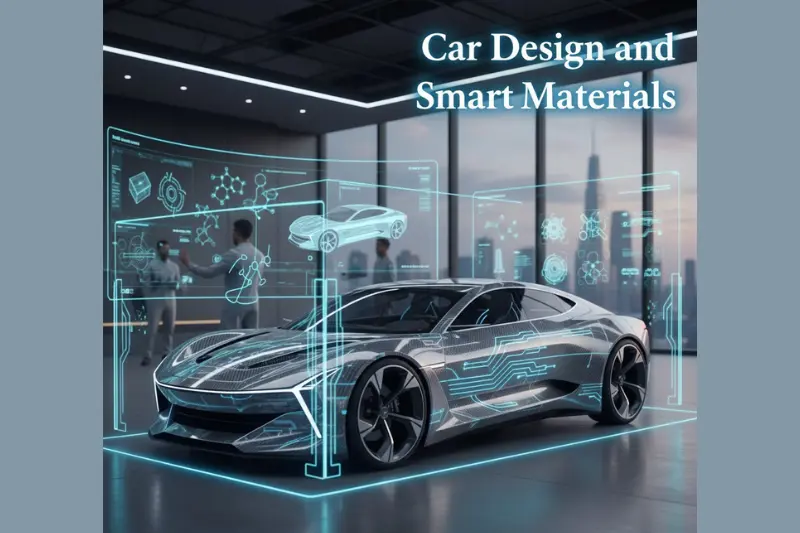
When most people talk about car technology, the conversation often focuses on engines, AI, or safety systems-but design and materials are just as crucial. The technology of cars isn’t only under the hood; it’s also in how vehicles are built to be stronger, lighter, and more efficient.
Modern cars use lightweight materials like aluminum alloys, carbon fiber, and high-strength steel. These materials reduce overall weight, which improves fuel efficiency and handling, while still keeping the vehicle safe in case of a collision. Lighter cars also pair perfectly with electric and hybrid powertrains, helping extend battery range without compromising performance.
Aerodynamics plays a big role too. Sleek shapes, carefully designed spoilers, and underbody panels reduce air resistance, making cars more efficient at higher speeds. Even small design tweaks, like optimizing the angle of a side mirror or the curve of a roofline, can make a measurable difference in fuel consumption and driving stability.
In short, smart materials and thoughtful design complement the technology of cars by enhancing every system inside the vehicle-from engines to safety features-while also providing a smoother, more efficient, and enjoyable driving experience. It’s a subtle reminder that innovation isn’t just about electronics; it’s about combining engineering, materials science, and aesthetics to create smarter cars.
Future Trends in Automotive Technology
Looking ahead, the technology of cars promises even more dramatic changes over the next decade. The industry is moving fast, and trends like vehicle electrification, autonomous driving, and renewable energy integration are reshaping what we expect from cars.
Vehicle electrification continues to gain momentum. More automakers are committing to fully electric lineups, and improvements in battery technology mean longer ranges, faster charging, and more affordable vehicles. This isn’t just good news for drivers-it’s a major step toward reducing carbon emissions and combating climate change.
Fully autonomous vehicles are also on the horizon. While current self-driving tech handles specific tasks, the long-term goal is cars that can navigate complex environments without human input. This could revolutionize urban mobility, reduce accidents caused by human error, and even change the way cities are designed around transportation.
Another exciting trend is renewable energy integration. Solar panels on vehicles, energy recovery systems, and infrastructure powered by clean energy are making cars smarter and more sustainable. Imagine charging your car with energy generated by the sun or reusing braking energy to power other systems-these innovations make driving greener while also enhancing efficiency.
Together, these trends show that the technology of cars isn’t just evolving-it’s transforming how we live, commute, and think about mobility. The next decade promises smarter, cleaner, and more autonomous vehicles that will fundamentally change our relationship with transportation.
Practical Impacts on Everyday Drivers
All the innovations we’ve discussed-the technology of cars, AI systems, autonomous features, and electric powertrains-aren’t just impressive on paper. They have a real, tangible impact on everyday driving.
For starters, daily commutes have become easier and safer. Adaptive cruise control and lane-keeping assistance reduce stress in stop-and-go traffic, while AI-powered navigation helps avoid congested routes. Smart safety systems, like automatic emergency braking, actively protect drivers and passengers, giving peace of mind on busy roads.
User experience has improved in subtle but meaningful ways too. Infotainment systems keep you connected without distraction, while predictive maintenance and diagnostics help you avoid unexpected breakdowns. Even parking has become less of a headache with automated assist features.
Of course, adapting to new technology takes a bit of learning. Some drivers initially feel overwhelmed by so many smart features, but once they experience the convenience and safety benefits, it becomes hard to imagine going back to older vehicles. The technology of cars isn’t about replacing the driver-it’s about supporting them, making every journey smoother, safer, and more enjoyable.
FAQs
What is car technology?
Modern systems and innovations that improve safety, efficiency, and convenience in vehicles.
How do smart safety features help?
They prevent accidents with alerts, automatic braking, and lane assistance.
Are electric and hybrid cars cost-effective?
Yes, they save on fuel and maintenance while reducing emissions.
What can autonomous features do today?
Assist with highway driving, parking, and partial self-driving tasks.
How does AI improve driving?
Through predictive maintenance, smart navigation, and driver assistance.
Conclusion
The technology of cars has transformed more than just how we drive-it’s reshaping safety, convenience, efficiency, and even the future of mobility. From smart safety systems and AI-driven features to electric powertrains and connected vehicles, every innovation is designed to make driving safer, easier, and more enjoyable.
For everyday drivers, these advancements mean less stress in traffic, fewer accidents, and a smoother, smarter driving experience. Looking ahead, trends like full autonomy, renewable energy integration, and AI-powered systems promise an even more exciting and sustainable future on the road.
Embracing these technologies isn’t just about keeping up with trends-it’s about improving our daily lives, protecting the environment, and preparing for a smarter, safer driving world.
May be you like it:
Digital Marketing Internship – Kickstart Your Career
Best Digital Marketing Agency – Grow Your Business Fast
