

Introduction
When we talk about local digital marketing, we’re essentially talking about strategies that help your business get noticed by people in your area. It’s about showing up when someone nearby searches for the products or services you offer – think of it as making sure your shop is the first one people see on their phones or maps.
For small and local businesses, this isn’t just a nice-to-have – it’s a lifeline. Unlike big brands with massive budgets, local businesses thrive on community visibility. If people in your town or neighborhood can’t find you online, they’re likely going to your competitors instead.
Online visibility directly impacts local customer acquisition. Imagine someone searching “best pizza near me” – if your pizzeria doesn’t show up in Google Maps or local search results, that’s a potential customer lost. On the other hand, a strong local digital presence ensures that you appear in front of ready-to-buy customers exactly when they need you.
Local digital marketing bridges the gap between your business and your community. It’s not just about being online; it’s about being seen, trusted, and remembered by the people who matter most.
Table of Contents
The Importance of Google Business Profile
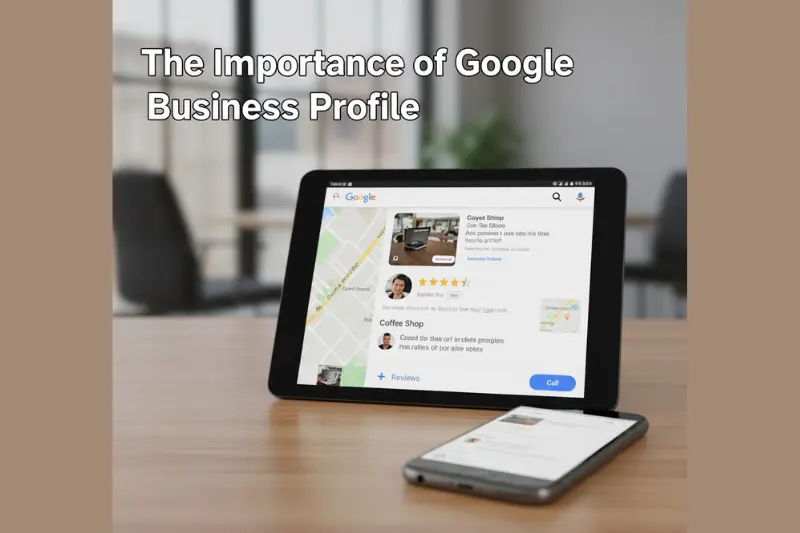
One of the most powerful tools in local digital marketing is your Google Business Profile (formerly Google My Business). Think of it as your digital storefront – it’s often the first thing potential customers see when they search for businesses like yours online. A strong profile can mean the difference between getting noticed or getting overlooked.
Setting up and optimizing your profile is the first step. Make sure your business information is complete, accurate, and easy to read. This includes your business name, hours of operation, and website link. Google favors profiles that are thorough and regularly updated, so don’t set it and forget it.
Next, pay close attention to your NAP – Name, Address, and Phone number. Consistency is key. If your business name is listed one way on Facebook, another on Yelp, and differently on your website, Google can get confused, and your rankings may suffer. Accurate NAP details help ensure customers can find and contact you without any friction.
Don’t underestimate the power of photos, posts, and reviews. High-quality photos of your storefront, products, or team make your profile more engaging and trustworthy. Posting updates about new products, special offers, or events shows that your business is active and connected to the community. And, of course, reviews are gold. Encouraging happy customers to leave honest reviews, and responding to them in a friendly, authentic tone, builds both trust and local credibility.
Mini example: Imagine two coffee shops across the street from each other – one with photos, reviews, and posts, the other with a blank profile. Which one would you check out first? Chances are, the active, visually appealing profile wins every time.
A well-optimized Google Business Profile isn’t just a listing – it’s your chance to stand out, build trust, and attract local customers exactly when they’re looking for you.
May be you like it:
Technology for Blind People – Education to Daily Life
Tech News Top App – Stay Updated with Latest Tech Trends
Future Tech Solutions – Shaping the Digital Era
Local SEO Strategies
When it comes to local digital marketing, Local SEO is the engine that drives nearby customers straight to your business. Think of it as making your website speak the language of your community so Google can easily match you with people searching for what you offer.
One of the simplest yet most effective strategies is incorporating location-based keywords naturally. Instead of stuffing your content with the city name over and over, weave it into headings, product descriptions, and blog content in a way that flows naturally. For example, a florist in Austin might write, “We deliver fresh roses across Austin and the surrounding neighborhoods,” rather than forcing “Austin florist” into every sentence. It feels human to readers and signals relevance to search engines.
Another powerful tactic is creating location-specific landing pages. If your business has multiple locations, each store should have its own page with tailored information – hours, contact info, services, and nearby landmarks. Not only does this help your SEO, but it also gives your potential customers the confidence that they’re looking at the right branch.
Finally, don’t overlook structured data (also called schema markup). This is a behind-the-scenes code that helps search engines understand your business details, like address, hours, and services. With structured data, your listings can show rich snippets in search results, like star ratings, opening hours, or even upcoming events. These small visual boosts can make your business stand out in a crowded search page.
Mini insight: Local SEO isn’t about tricking Google; it’s about making sure your website is clear, relevant, and helpful for the people right around you. When you do it right, your business becomes the obvious choice for nearby customers.
Content Marketing for Local Audiences
When it comes to local digital marketing, content isn’t just for clicks – it’s for connection. Creating content that resonates with your community builds trust, positions your business as an expert, and keeps you top-of-mind for local customers.
Start with blog posts, guides, and videos targeting local interests. For example, a neighborhood bakery could write a blog on “5 Easy Birthday Cake Ideas in [Your City]” or create short videos showing behind-the-scenes cake decoration. These types of content do two things: they answer questions locals are searching for, and they give your business personality. People don’t just want products; they want stories, tips, and experiences they can relate to.
Sharing success stories or community events is another way to humanize your brand. Did your café sponsor a local charity run? Or maybe you hosted a weekend tasting event? Posting about it online shows that you’re not just a business in the area – you’re part of the community. It also encourages local engagement, like shares, comments, and even in-person visits.
Lastly, focus on content that answers local customer questions. Think about the problems people face in your area. For a plumbing company, this might be “How to prevent frozen pipes in [City Name] winters” or “Top 5 plumbing tips for homeowners in [Neighborhood].” Answering these questions positions your business as helpful and trustworthy, which is the heart of E-E-A-T.
Mini example: A local bookstore could create a short video highlighting staff picks for holiday gifts. Not only does it showcase products, but it also feels personal, relatable, and shareable – making customers more likely to come in or recommend you to friends.
Content marketing for local audiences isn’t about publishing endlessly; it’s about publishing smartly. Each blog, video, or post should inform, engage, and connect with the people who are most likely to support your business.
Social Media Engagement for Locals
When it comes to local digital marketing, social media is more than just posting pretty pictures – it’s a powerful way to connect with your community and turn casual viewers into loyal customers.
Start by targeting nearby users on platforms like Facebook, Instagram, and TikTok. Most social platforms allow you to narrow your audience by location, which means your posts and ads are reaching people who can actually walk through your door or order your service. This kind of precision ensures your efforts aren’t wasted on people who aren’t in your market.
Next, focus on posting local updates, promotions, and behind-the-scenes content. Share pictures from your store, highlight a new product, or give a sneak peek at how you prepare your services. Even something as simple as a “staff favorite of the week” post adds personality and helps people feel connected to your business. Promotions tailored for locals, like a neighborhood discount or event invitation, can drive immediate foot traffic while building goodwill.
Using local hashtags is another easy but effective way to boost discoverability. Hashtags like #[YourCity]Eats, #[Neighborhood]Shops, or #[CityName]Events help locals find your content organically. They’re small, searchable cues that link your business to the community and increase the chances of engagement.
Mini insight: Social media isn’t about perfection – it’s about authenticity. People are drawn to businesses they can relate to, see behind the scenes of, and feel like part of their community. Even a quick video showing a daily routine or a funny moment in your shop can make a huge difference in engagement.
When you combine targeted reach, relevant content, and local hashtags, your social media presence becomes a hub for community connection and real customer growth.
May be you like it:
Which B.Tech Course is Best for Future – Career Guide
MPA Nashik e Learning – Online Police Training Platform
SBI e Learning – Online Training & Employee Courses
Online Reviews and Reputation Management
In local digital marketing, online reviews are like digital word-of-mouth – they can make or break a business. People trust the experiences of others, often more than your own marketing messages. That’s why managing your reputation online is crucial for attracting and keeping local customers.
Start by encouraging positive reviews from satisfied customers. After a successful service or a great purchase, politely ask your customers to leave a review. You can do this through follow-up emails, receipts, or even a friendly in-person request. Most people are happy to share their experience, especially when it’s easy for them to do so.
Next, respond authentically to all reviews – positive and negative. Thank customers for their feedback, address concerns sincerely, and avoid generic or robotic responses. An authentic response shows that you care about your customers and are committed to providing a great experience.
Leverage reviews to build trust and improve rankings. Reviews aren’t just social proof; they also influence your position in local search results. A business with consistent, positive feedback is more likely to appear in the coveted “local pack” on Google. Highlighting testimonials on your website or social media can also amplify trust and credibility.
Mini example: Imagine a local hair salon with dozens of 5-star reviews and heartfelt responses to each comment. A new customer searching for a stylist in the area is instantly reassured – it feels like a business that genuinely cares, which makes them more likely to book an appointment.
In short, reviews aren’t just about numbers. They’re a conversation with your community and a key part of building lasting trust and visibility in your local market.
Local Partnerships and Community Marketing
One of the most overlooked yet powerful aspects of local digital marketing is building connections in your community. Partnering with other local businesses or supporting local initiatives not only boosts your visibility but also positions your brand as trustworthy and invested in the area.
Start by collaborating with neighboring businesses for cross-promotions. For instance, a coffee shop could team up with a nearby bakery to offer combo deals or co-host a small event. Both businesses benefit from shared audiences, and customers enjoy unique local offerings they wouldn’t find elsewhere.
Another impactful strategy is sponsoring local events or charities. This could be anything from a 5K run, a school fundraiser, or a community art show. Sponsorships signal that your business cares about the neighborhood, and they often come with online mentions, social media shoutouts, and local press coverage – all of which improve your local digital presence.
Building authority and goodwill in the community is the ultimate payoff. When your business is seen as helpful, engaged, and trustworthy, locals are more likely to recommend you, leave positive reviews, and return for repeat business. Small gestures, like hosting workshops, giving talks, or supporting neighborhood initiatives, go a long way in creating a lasting, positive reputation.
Mini insight: People love doing business with brands that feel human and connected. A local pet store that donates to an animal shelter isn’t just selling pet supplies; it’s telling a story about values that resonate with its audience.
Local partnerships and community marketing turn your business from just another option into a trusted, integral part of the neighborhood.
Paid Local Advertising Strategies
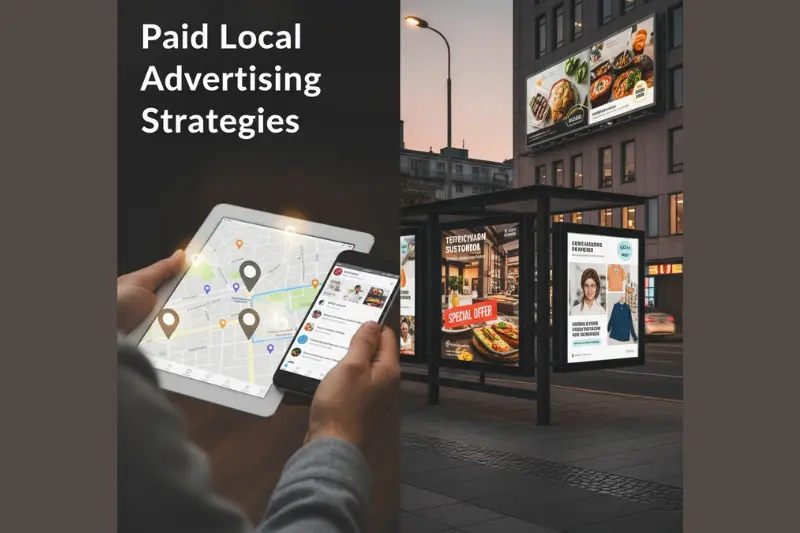
While organic strategies form the foundation of local digital marketing, sometimes a well-targeted paid campaign can give your business the extra push it needs to reach nearby customers quickly. Paid ads allow you to reach the right audience at the right time – people who are actively searching for what you offer or have already shown interest.
Start with Google Ads using geo-targeting. This ensures that your ads appear only to people within a specific city, zip code, or radius around your business. For example, a local plumbing service can target homeowners within a 10-mile radius, ensuring every ad dollar goes toward potential customers who can actually hire you.
Facebook and Instagram ads are also powerful for local audiences. These platforms allow you to zero in on neighborhoods, cities, or even demographic groups like age and interests. You can promote seasonal offers, new products, or events, making it feel personal and relevant to local users.
Don’t forget retargeting campaigns. People who’ve visited your website once are more likely to convert if you remind them later. Retargeting ads can follow these visitors across social media or Google’s display network, keeping your brand top-of-mind until they’re ready to take action.
Mini insight: Paid advertising doesn’t have to be expensive or overwhelming. Even a small, well-targeted campaign can drive foot traffic, website visits, and conversions when paired with strong local SEO and content strategies.
Smart use of paid ads in local digital marketing amplifies your reach, brings immediate visibility, and complements your organic efforts, helping you grow faster in your community.
Tracking and Measuring Success
In local digital marketing, it’s not enough to just put your efforts out there – you need to know what’s actually working. Tracking and measuring results helps you focus on strategies that deliver real value and adjust those that don’t.
Start by using analytics tools to measure website and ad performance. Google Analytics, for example, can show you how many visitors come from your city, which pages they visit, and how long they stay. For paid campaigns, platforms like Google Ads or Facebook Ads Manager provide insights into impressions, clicks, and conversions, letting you see exactly how your budget is performing.
Next, track foot traffic, calls, and leads generated from local campaigns. If you run a promotion or post a social media ad, monitor how many people actually show up or call your business as a direct result. Even simple methods, like asking customers “how did you hear about us?” at checkout, can provide valuable insights.
Finally, use these insights to adjust your strategies. If a particular neighborhood responds well to your ads, consider allocating more resources there. If a blog or post drives traffic but doesn’t convert, tweak your content or call-to-action. Data-driven adjustments help your marketing become more efficient over time.
Mini insight: Tracking isn’t just about numbers; it’s about learning what resonates with your local audience. Even small changes, like adjusting ad timing or tweaking keywords, can have a noticeable impact on results.
By consistently monitoring performance, your local digital marketing efforts become smarter, more targeted, and more effective, ensuring every action contributes to meaningful growth.
FAQs – Local Digital Marketing
What is local digital marketing?
Local digital marketing focuses on promoting your business to customers in a specific geographic area using online channels like Google, social media, and local ads.
Why is a Google Business Profile important?
It helps your business appear in local search results and Google Maps, making it easier for nearby customers to find and contact you.
How can local SEO improve my visibility?
By using location-based keywords, creating location-specific pages, and optimizing structured data, your business becomes easier to find in searches from your community.
How do online reviews impact local marketing?
Positive reviews build trust, influence customer decisions, and improve local search rankings, while authentic responses show that you care about your customers.
Do paid ads work for local businesses?
Yes. Geo-targeted Google Ads, social media ads, and retargeting campaigns help you reach potential customers nearby and drive immediate traffic or conversions.
Conclusion
Local digital marketing isn’t just a tactic – it’s a mindset. Throughout this guide, we’ve explored strategies like optimizing your Google Business Profile, leveraging local SEO, creating engaging content, building social media connections, encouraging reviews, forming local partnerships, running paid campaigns, and tracking results. The common thread? Every strategy is about connecting with your community in a meaningful way.
Looking ahead, several trends are shaping the future of local marketing. Voice search is on the rise – more people are asking their devices, “Where’s the nearest coffee shop?” Businesses that optimize for conversational queries will gain an edge. Hyperlocal targeting is becoming increasingly precise, allowing you to reach specific neighborhoods or even streets with tailored offers. And AI personalization can help deliver content, ads, or recommendations that feel tailored to each individual, enhancing the local customer experience.
Despite new tools and trends, the heart of local digital marketing remains the same: consistent engagement and authentic connection with your community. Respond to reviews, share local stories, participate in events, and make your online presence reflect the human side of your business. Over time, these genuine efforts translate into trust, loyalty, and sustainable growth.
Reflective thought: What’s one small, authentic action you can take this week to deepen your connection with your local audience? Even tiny steps, done consistently, can have a big impact over time.
May be you like it:
Digital Marketing Internship – Kickstart Your Career
Best Digital Marketing Agency – Grow Your Business Fast
