


Introduction to Future Codes
Have you ever wondered what the next decade of technology will look like? That’s where future codes come in. Unlike traditional coding, which follows rigid rules and structures, future codes are about creating software that’s adaptive, intelligent, and sometimes even self-evolving. Think of it as moving from simply programming a machine to teaching it to understand, learn, and improve on its own.
Why does this matter? Because future codes aren’t just for developers they’re shaping how we interact with technology every day. From apps that anticipate your next move to systems that fix themselves without human intervention, future codes are quietly redefining convenience, efficiency, and innovation.
Table of Contents
The Evolution of Coding
Coding hasn’t always been the fast-paced, tech-driven field we know today. If we rewind a few decades, developers spent hours writing lines of code on punch cards or typing directly into green-screen terminals. Every small mistake a missing semicolon or a wrong variable could bring an entire program crashing down. It was meticulous work, and the learning curve was steep.
Fast forward to today, and coding has transformed dramatically. Modern programming languages, intuitive IDEs, and cloud-based platforms have made software development more accessible, faster, and collaborative. But the real game-changer? The rise of AI-assisted development.
With tools that can suggest code snippets, debug errors, or even generate entire blocks of software, developers can now focus on creative problem-solving rather than repetitive tasks. This is where future codes come into play they aren’t just about writing programs anymore; they’re about building intelligent systems that can adapt, learn, and evolve.
Core Features of Future Codes
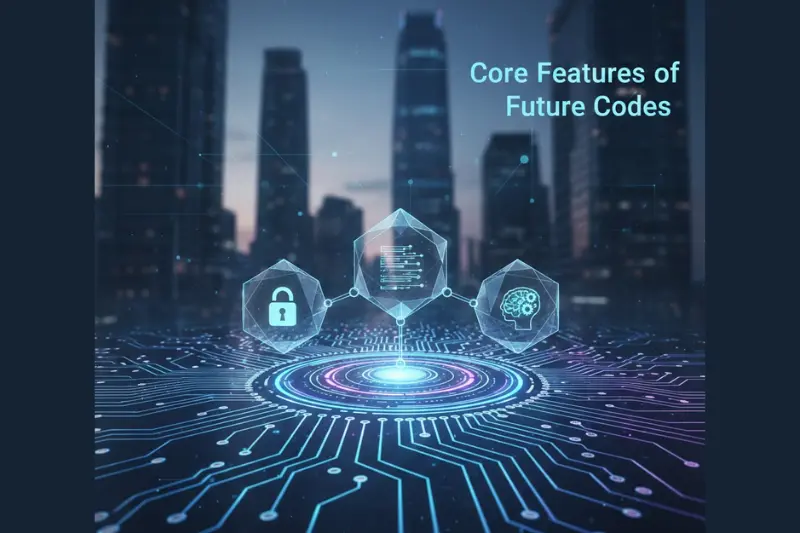
So, what makes future codes truly different from traditional programming? It’s all about three core features that are changing the game: adaptive programming, AI-driven development, and cross-platform intelligence. Let’s break them down with real-world examples.
May be you like it:
Technology for Blind People – Education to Daily Life
Tech News Top App – Stay Updated with Latest Tech Trends
Future Tech Solutions – Shaping the Digital Era
Adaptive Programming
Adaptive programming is like having software that learns as it goes. Instead of following rigid instructions, programs adjust their behavior based on user interactions or environmental changes.
Example: Think of music streaming apps like Spotify. They don’t just play songs they learn your listening habits, suggest new tracks, and even adjust playlists depending on your mood or time of day. That’s adaptive programming in action.
AI-Driven Development
Artificial intelligence isn’t just for playing chess or analyzing data anymore it’s writing code too. AI-driven development allows programs to generate code, test it, and even fix bugs autonomously.
Example: Platforms like GitHub Copilot suggest entire code snippets as developers type. In the future, AI could handle more complex programming tasks, freeing humans to focus on creative problem-solving.
Cross-Platform Intelligence
Cross-platform intelligence ensures that software works seamlessly across devices, systems, or environments without extra tweaking. This is crucial as technology becomes more interconnected.
Example: Apps like Notion or Slack sync instantly across your phone, tablet, and computer, adapting to different screen sizes and operating systems without glitches.
Why Future Codes Are Relevant to Everyone
You might be thinking, “Future codes sound cool, but do they really matter to me?” The truth is, they do and not just for developers. Whether you’re running a business, using technology daily, or curious about the digital world, future codes are quietly reshaping your experience.
Impact on Businesses
For companies, future codes mean faster innovation and smarter systems. Imagine launching a new app or service that can adapt automatically to customer behavior what used to take months now happens in weeks. Businesses can respond to trends in real time, reduce errors, and even predict what their users want next.
Impact on Tech Users
As a user, you’ll notice smoother experiences, more intuitive apps, and services that feel “personalized.” Whether it’s a shopping app that predicts your next purchase or a smart home system that adjusts itself to your routines, future codes make technology feel smarter and more helpful.
Impact on Developers
Developers benefit too. With AI-assisted coding and adaptive programming, routine tasks are handled automatically. This gives human developers more freedom to focus on creative problem-solving and designing systems that truly innovate.
Practical Benefits
- Faster Innovation: Products and services evolve more quickly to meet user needs.
- Better User Experience: Software anticipates behavior and adapts intelligently.
- Cost Efficiency: Automation reduces errors, saves time, and lowers operational costs.
Real-Life Examples of Future Codes in Action
Seeing is believing, and with future codes, the proof is already all around us. These aren’t just abstract ideas they’re real systems changing the way we interact with technology every day.
AI Chatbots
AI chatbots have come a long way from the clunky, scripted bots of the past. Today’s bots understand context, remember previous interactions, and even adapt their responses to match your tone.
Example: Customer support bots for platforms like Shopify or banking apps can resolve issues instantly, often without human intervention. They learn from each conversation, so over time, they become smarter and more helpful.
Self-Healing Software
Imagine software that can detect and fix its own bugs without waiting for a developer to intervene. That’s exactly what self-healing systems do.
Example: Some cloud services automatically identify performance issues or vulnerabilities and patch them in real time. This reduces downtime, protects data, and keeps users happy without anyone lifting a finger.
Intelligent Apps
Intelligent apps go beyond simple automation they anticipate your needs and adjust accordingly.
Example: Fitness apps like Fitbit or Strava analyze your routines, suggest workouts, and even adapt coaching tips based on your progress. Similarly, navigation apps like Google Maps predict traffic patterns and suggest better routes before you even notice a slowdown.
Skills Needed to Work with Future Codes

As exciting as future codes are, they also change the game for anyone looking to work with them. Developers aren’t just writing lines of code anymore they’re shaping intelligent systems, guiding AI, and building adaptable software. To thrive in this landscape, certain skills are becoming essential.
May be you like it:
Which B.Tech Course is Best for Future – Career Guide
MPA Nashik e Learning – Online Police Training Platform
SBI e Learning – Online Training & Employee Courses
AI & Machine Learning Knowledge
Understanding how AI and machine learning work is no longer optional. Future codes often rely on AI to generate, optimize, or even debug code. Knowing how algorithms learn, process data, and make decisions will give you a serious edge.
Mini example: Imagine a coding assistant that suggests improvements to your program. To use it effectively, you need to understand why it’s making certain suggestions, rather than blindly accepting them.
Problem-Solving Mindset
With automated tools handling repetitive tasks, human developers are freed to tackle complex challenges. You’ll need strong analytical thinking to troubleshoot, innovate, and create solutions AI can’t handle on its own.
Real-life insight: Teams building smart home systems often run into unpredictable scenarios like a device misinterpreting a command. Developers need creative solutions to make the system intuitive for real users.
Adaptability & Digital Architecture Thinking
Technology evolves fast, and future codes require developers to think beyond just writing code. Understanding how systems interact, how data flows, and how to design scalable, flexible software is key.
Observation: A developer might design an app that works perfectly today but fails on new devices or platforms tomorrow. Adaptable thinking ensures the software grows with changing technology.
Opportunities Created by Future Codes
The rise of future codes isn’t just changing how we write software it’s opening doors to entirely new opportunities. Whether you’re a developer, entrepreneur, or just someone fascinated by technology, there’s something in it for you.
New Career Paths
As software becomes smarter and more adaptive, traditional coding roles are evolving. Jobs like AI-assisted developer, software architect for self-learning systems, or automation specialist are becoming increasingly relevant. Even non-developers can find roles in overseeing, managing, or designing AI-driven workflows.
Mini example: A digital product manager today might not code every line but guides AI-driven tools to build apps that evolve based on user behavior.
Entrepreneurial Ideas
Future codes are fueling new business possibilities. Startups can create adaptive apps, self-updating platforms, or intelligent solutions that anticipate customer needs. The barrier to entry is lower for innovative ideas because automation handles much of the repetitive work.
Observation: Think about AI-powered health apps, predictive logistics platforms, or personalized learning tools they’re all made possible because future codes allow systems to learn and adapt.
Enhanced Productivity and Smarter Systems
For companies and teams, future codes mean doing more with less. Automated coding, self-healing software, and adaptive systems streamline processes, reduce errors, and let humans focus on strategic and creative tasks. Productivity isn’t just about speed; it’s about working smarter.
Example: A marketing team using AI-driven content tools can create campaigns faster, analyze engagement patterns, and adjust strategies in real time without relying solely on human intervention.
Challenges and Risks
While future codes are opening incredible opportunities, they also come with their share of challenges. It’s easy to get caught up in the excitement of adaptive software and AI-driven systems but understanding the risks is just as important.
Ethical Concerns
When machines start writing code or making decisions, questions about responsibility arise. Who is accountable if an AI-generated program causes errors, security breaches, or unintended consequences? Developers and businesses need to establish clear ethical guidelines to ensure technology benefits users without causing harm.
Mini example: Imagine an AI system in healthcare recommending treatments. Without human oversight, mistakes could have serious consequences.
Security Risks
Smarter systems can also mean smarter vulnerabilities. Automated coding and adaptive software introduce potential security gaps that traditional testing might miss. Cyberattacks could exploit AI-driven systems if safeguards aren’t carefully designed.
Observation: Even apps that seem simple, like a banking app or smart home platform, must be continuously monitored for vulnerabilities automation doesn’t replace vigilance.
Skill Gaps
Future codes demand new expertise. Developers need knowledge of AI, machine learning, and system architecture, while businesses need staff who understand how to implement and manage intelligent systems. Without proper training, teams can struggle to harness the full potential of these technologies.
Human Oversight Remains Crucial
No matter how intelligent software becomes, humans are still essential. Oversight ensures ethical decisions, security, and system reliability. Think of it like autopilot in airplanes: AI can do most tasks, but a trained pilot is essential to handle unexpected situations.
The Future Landscape of Programming
The world of coding is evolving faster than ever, and future codes are at the heart of that transformation. If you think programming is just about writing lines of code, the next decade is about to change your perspective.
AI Coding Assistants
AI is no longer a helper it’s becoming a coding partner. Tools like GitHub Copilot already suggest snippets and debug issues, but the future could see AI writing full modules, optimizing workflows, and even predicting design flaws before they happen.
Mini example: Imagine a developer brainstorming a new app feature, and their AI assistant proposes several working prototypes in minutes saving weeks of trial-and-error.
Fully Autonomous Software
In the future, some software may evolve entirely on its own. Self-updating, self-optimizing, and self-healing programs will reduce manual intervention and adapt continuously to changing user needs.
Observation: Cloud platforms and large-scale SaaS products are already experimenting with elements of autonomy, hinting at a time when humans oversee systems more than directly control them.
Evolution of Programming Languages
Programming languages themselves will evolve to better support adaptive, AI-driven, and cross-platform systems. Expect languages designed for collaboration with AI, real-time error correction, and higher-level abstraction to become mainstream.
Example: Newer languages might focus less on syntax and more on logic, letting humans describe what they want the software to achieve, while AI handles the implementation details.
How the Coding Profession Might Evolve
Developers will transition from hands-on coders to digital architects, guiding intelligent systems, managing AI workflows, and solving complex problems. Creative problem-solving, system thinking, and adaptability will become more important than memorizing syntax.
Insight: The best developers won’t be those who type the fastest they’ll be the ones who can design systems that think, learn, and adapt.
FAQs About Future Codes
What exactly are future codes?
Future codes refer to next-generation programming approaches that make software adaptive, intelligent, and sometimes self-evolving. They go beyond traditional coding by integrating AI, machine learning, and cross-platform intelligence.
How will future codes affect everyday technology users?
Even if you’re not a developer, future codes impact you. Apps will become smarter, personalized, and more efficient anticipating your needs and improving your user experience.
Do developers need special skills for future codes?
Yes. Key skills include AI and machine learning knowledge, problem-solving, adaptability, and understanding system architecture. These allow developers to manage intelligent systems effectively.
Are there risks associated with future codes?
Absolutely. Challenges include ethical concerns, security vulnerabilities, and skill gaps. Human oversight remains crucial to ensure safe and responsible use of these technologies.
Can businesses benefit from future codes?
Definitely. Future codes help companies innovate faster, reduce operational costs, and deliver smarter, more adaptive services to customers.
Conclusion
Future codes are more than just the next step in software development they’re a glimpse into a smarter, more adaptive digital world. From AI-driven development and adaptive programming to cross-platform intelligence, these innovations are already changing how we interact with technology, work, and create.
The opportunities are enormous: new career paths, entrepreneurial ventures, and productivity gains are just the beginning. At the same time, challenges like ethical dilemmas, security risks, and skill gaps remind us that human insight and oversight are still essential.
May be you like it:
Digital Marketing Internship – Kickstart Your Career
Best Digital Marketing Agency – Grow Your Business Fast
