

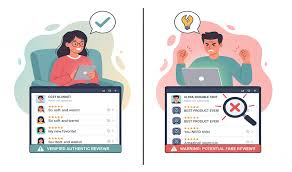
In 2023-2024, online scams cost the world over 1 trillion (Global Anti-Scam Alliance), and online marketplaces also brought a large portion of the losses. It is not an amount obtained due to phishing emails or bank breaches. It is created by fake vendors, scam accounts created based on forged identities and fake documents, and it is done freely within the space of the platforms that millions of users use daily.
The harm goes beyond those who are victims of fake products as buyers. To marketplace operators, a wave of fraudulent sellers undermines platform credibility, initiates regulatory questioning, and increases chargeback expenses, which are bottom-line-impacting. And the window to consider seller identity as a non-compulsory issue is now closed with more than a bang.
How Fake Sellers Actually Operate in 2025
The typical image of a fake seller, who sells a fake handbag, is much less than the real issue. By 2025, about 30% of all identity fraud cases involving online merchants in the US are synthetic identity fraud, where genuine and fake information is used to simulate a plausible identity (FraudNet, 2025). These are not obviously fake identities. They are well-made ones: realistic-appearing ID documents, reasonable-sounding business names, and verifiable-looking addresses which can pass a basic manual investigation.
The process is simple. A fraudster uses a forged driving license or passport to open a seller account, now costing as low as $15 based on AI-powered underground tools. They post goods, receive money, and disappear before delivery or deliver counterfeits. The seller account has already shifted through as many identities before the platform can investigate, leaving chargebacks, frustrated purchasers, and reputation damage in its trail.
The forging of documents has become the point of entry to all forms of this fraud: ghost sellers, networks of fake goods, and money laundering on false listing all rely on an unverified identity onboarding.
The $397 Billion Exposure Marketplace Operators Cannot Absorb
It is estimated that the e-commerce sector will fall prey to fraud to the tune of 397 billion worldwide in the next decade, 41% of which will be in the US alone (FraudNet). By multiplying the fraud by the multiplier (in which platforms and merchants suffer about 3.75 dollars per dollar of direct fraud) the overall financial effect is nearly 1.49 trillion dollars.
These losses come in four channels that are compounding. Chargeback liability is increased because customers are having dealings with counterfeit vendors. Governments impose regulatory fines on the platforms in which they blame the sellers they host. Reputational harm is quickened because fraudulent listings lead to loss of buyer confidence. The cost of operations increases because all the fraudulent accounts that made it through the onboarding process must be investigated and fixed afterwards.
A 2025 Ravelin report discovered that 79% of marketplaces online report an increase in fraud. The initial regulatory measures in response to this have already come.
The DSA Has Made Seller Document Verification a Legal Requirement
The EU’s Digital Services Act (DSA) Article 30, enforceable from February 2024, introduced a “Know Your Business Customer” framework that directly mirrors the KYC obligations familiar to financial services. Every marketplace operating in the EU must now verify the following before a seller can list:
• A copy of the seller’s government-issued identification document
• Full contact details: name, address, phone, and email
• Payment account details including the account holder name
• Trade register information where applicable
The DSA does not just require collection, it requires verification. Platforms must use official databases or supporting documents to confirm the information is reliable. If a seller submits inaccurate documents and the platform does not detect the issue, the platform bears liability. Non-compliance can attract fines of up to 6% of global annual turnover.
For marketplace operators outside the EU, the INFORM Consumers Act in the US imposes parallel obligations on high-volume third-party sellers. The regulatory direction globally is unambiguous: platforms are now responsible for who they allow to sell.
Where Most Marketplace Document Checks Are Falling Short
Many platforms have introduced some form of seller verification. Most are not catching the fraud that matters. The gap is in what a document checker actually does with the submitted files.
An email confirmation is not identity verification. A seller uploading a photo of a utility bill has not been verified unless the system can confirm the document is genuine, unaltered, and matches the entity claiming it. Checking a name against a trade registry means nothing if the ID document used to create that registration was forged before it reached the platform.
The fraud methods in use today, such as AI-generated passports, synthetic business registrations, and digitally edited proof-of-address documents, pass standard manual reviews at scale because human reviewers cannot reliably detect these forgeries across high volumes. And automated systems that check only data fields, without analysing the document itself, will catch exactly the fraudsters that need to be stopped.
This is the gap where many platforms sit: conducting kyc document verification in form only, collecting documents without genuinely confirming they are real.
What Effective Seller Document Verification Actually Requires
For marketplaces, genuine protection means verifying three things at once.
The document itself. Does it carry the correct security features for its type and issuing country? Has it been digitally altered? AI-generated and edited documents fail this layer when it is applied properly, but it requires security feature analysis, not just OCR data extraction.
The data in the document. Does the name, date of birth, and address match what the seller submitted at registration? Inconsistencies at this layer are the primary indicator of synthetic identity use.
The person behind the document. Biometric liveness detection ties the submitted ID to a live person, making it impossible to verify documents using a stolen or fabricated image. Without this step, document verification is easy to bypass with the right photograph.
For global marketplace platforms onboarding sellers across different countries, the system must also handle thousands of document formats in multiple languages — without creating bottlenecks that slow down legitimate sellers.
How Shufti Helps Marketplace Platforms Get This Right
The Document Verification Service of Shufti serves more than 10,000 document types out of 240+ countries and territories and in over 150 languages. In the case of a marketplace platform onboarding sellers in South Asia, in the MENA region, or in Latin America, all of high-growth populations of e-commerce sellers with complex, multi-format identity documents, such coverage is operationally vital.
The platform conducts an analysis of security features on each document uploaded, verifying MRZ integrity, font integrity, hologram indicators, and UV pattern simulation. This scoops the AI-created and digitally altered documents which simple data extraction overlooks. Preceded by iBeta Level 1 & 2 certified liveness detection, all sellers during the onboarding are verified as to a real person, not merely a believable counterfeit.
Shufti Document Verification Service is API/SDK integrated, has no-code Journey Builder, and supports verification flows by seller type, by jurisdiction, or by risk level without engineering delay at the time of authoring this document: platforms with DSA Article 30 obligations.
The Window for Passive Seller Onboarding Has Closed
Fake sellers is not an issue that can be moderated after the fact. They are a problem of identity, and they are on the inside.
The platforms that are going to be waking up to document verification in 2025 are not doing so on their own free will. The decision has been determined by regulatory requirements, chargeback risk and reputational cost of the cases of headline fraud. Whether to check the identities of sellers or not is not a question of any marketplace that runs large today, it is whether the system that you have is capable of detecting the forgeries that are currently being uploaded.
Ready to get your seller onboarded? Request a Free Demo with Shufti.
