

Introduction
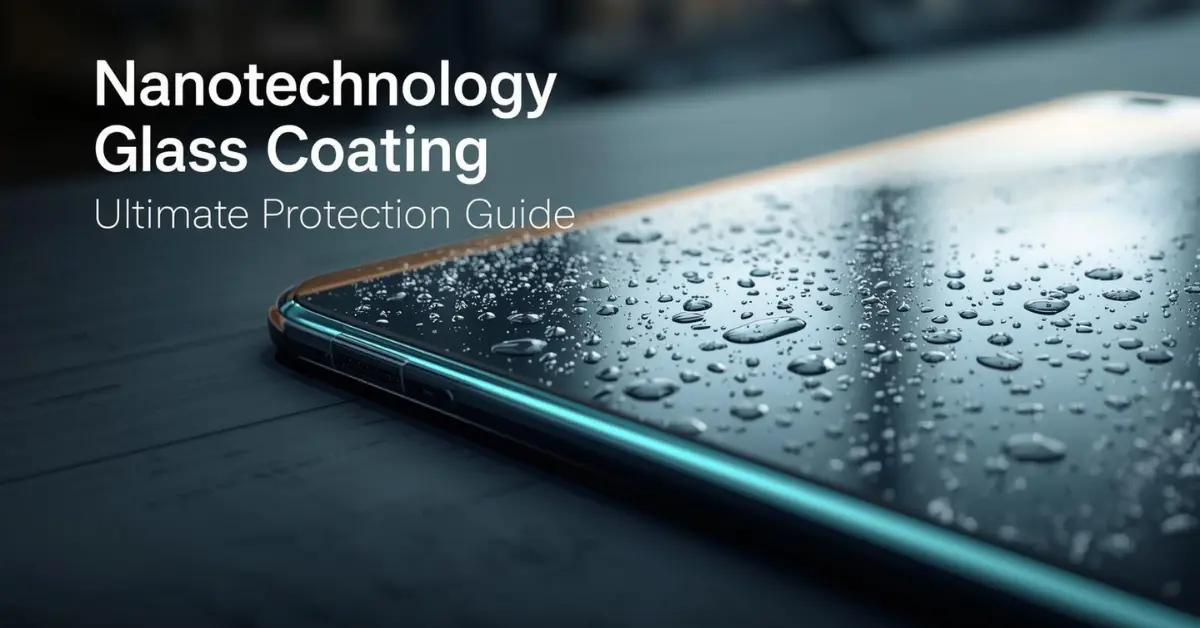
If you’ve ever wiped a car windshield or smartphone screen and felt like no matter what you did, smudges and water spots kept coming back, you’re not alone. That’s exactly the problem nanotechnology glass coating aims to solve. At its core, it’s a super-thin, invisible layer made of ultra-small particles so tiny they’re measured in nanometers that bonds to glass surfaces.
But it’s not just about slapping on a protective layer. This coating actively repels water, dust, oils, and even minor scratches, making your glass easier to clean and longer-lasting. Think of it like giving your glass a “raincoat” that also resists fingerprints and sunlight damage.
So why is it becoming so popular? A few reasons. Cars, smartphones, and home windows are constantly exposed to the elements rain, dust, or just the oils from your hands. Traditional cleaning methods only go so far, and protective films or waxes don’t last. Nanotechnology glass coating offers a longer-term solution that’s practical, visually satisfying, and increasingly affordable.
Mini example: Imagine driving in the rain and barely needing to touch the wipers because water literally beads up and rolls off the windshield. That’s the kind of everyday convenience this technology delivers.
Table of Contents
The Science Behind Nanotechnology Glass Coating
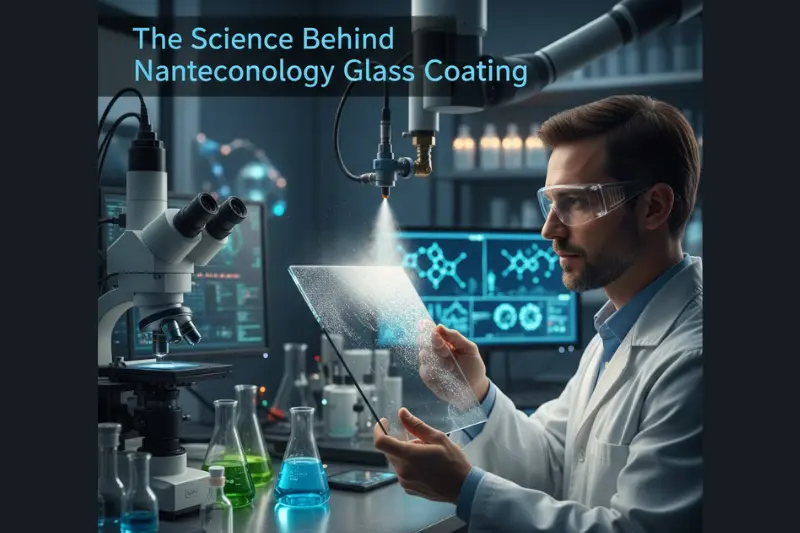
Let’s get a little nerdy but in a way that actually makes sense for your daily life. Nanotechnology glass coating works because of particles so tiny you could line up thousands across the width of a single human hair. These nano-particles aren’t just small for show; their size lets them form an ultra-thin, uniform layer on the glass surface, filling in microscopic imperfections that would normally collect dirt or water.
One of the coolest effects of this coating is its hydrophobic property. In plain English, that means water hates it. When raindrops or spills hit the glass, they bead up like tiny spheres and slide right off instead of smearing. It’s the same principle behind the “lotus effect,” named after the lotus leaf, which naturally stays clean even in muddy ponds.
And it’s not just about water. This microscopic protective layer also strengthens the surface, making it more resistant to minor scratches, UV damage, and chemical etching from cleaners. So while it’s invisible to the naked eye, it’s actively defending your glass 24/7.
May be you like it:
Technology for Blind People – Education to Daily Life
Tech News Top App – Stay Updated with Latest Tech Trends
Future Tech Solutions – Shaping the Digital Era
Core Benefits of Nanotechnology Glass Coating
Once you understand the science, the real question becomes: “What’s in it for me?” That’s where the core benefits of nanotechnology glass coating really shine. Let’s break them down in a way that actually matters day to day.
Scratch Resistance
Ever noticed how small scratches can ruin the look of your car windshield or phone screen? The nano layer adds a subtle hardness to the glass surface, making it more resistant to minor scratches from cleaning cloths, keys, or even tiny debris. It’s not bulletproof, but it significantly reduces everyday wear.
Water Repellency
The hydrophobic nature of the coating means water beads up and rolls off almost magically. For drivers, this can mean less reliance on windshield wipers during light rain. For homeowners, it means fewer streaks on windows after a rainy day.
Self-Cleaning Properties
Because dirt and dust struggle to stick, surfaces stay cleaner for longer. Even when cleaning is necessary, it’s quicker and requires less effort a simple wipe with a microfiber cloth often does the trick.
UV Protection
Sunlight can slowly degrade glass surfaces, leaving them looking dull or even causing micro-cracks over time. The nano layer acts like a tiny sunscreen, reducing UV damage and helping the glass maintain clarity and strength.
Durability
Unlike conventional waxes or films that wear off quickly, a quality nanotech coating can last months or even years with proper maintenance. That means less frequent reapplication and more long-term protection.
Practical Applications of Nanotechnology Glass Coating
Now that we know what nanotechnology glass coating can do, let’s talk about where it actually makes a difference. The technology isn’t just a “nice-to-have” it’s being applied in ways that touch our daily lives more than you might realize.
Automotive Glass
Cars are probably the most common use. Windshields, side windows, and mirrors coated with nanotech layers stay cleaner longer, repel rain, and resist minor scratches. Drivers often notice improved visibility in light rain and less time spent wiping streaks or smudges.
Smartphones and Tablets
Our gadgets are constant companions, but they’re magnets for fingerprints, dust, and accidental spills. Applying a nanotechnology coating can make screens easier to clean, more resistant to minor scratches, and less prone to smudging basically giving your device a longer “fresh-out-of-the-box” look.
Home Windows
Whether it’s your living room windows, patio glass, or shower doors, these surfaces are constantly exposed to water spots, dust, and fingerprints. Nanotech coatings make cleaning simpler and reduce streaking, so your glass looks clearer with less elbow grease.
Eyewear
Glasses and sunglasses are another perfect example. Coated lenses resist fingerprints, water droplets, and dust, making daily cleaning faster and keeping vision clearer throughout the day.
Commercial Surfaces
Businesses with glass storefronts, display cases, or high-touch glass surfaces also benefit. Nanotechnology coatings reduce maintenance time and keep surfaces looking pristine which matters when first impressions count.
How Nanotechnology Glass Coating Works in Everyday Life
Understanding the science is great, but the real magic happens when you see nanotechnology glass coating in action during your daily routine. It’s one thing to know it repels water and resists scratches it’s another to feel how much easier life gets with it.
Water Beading
Ever noticed how water forms perfect little droplets on a freshly waxed car? That’s exactly what happens with nanotech-coated glass, only at a microscopic level. Rain, spills, or even morning condensation bead up and slide off effortlessly. For drivers, this means better visibility in wet weather and less reliance on wipers.
Less Smudging
Touchscreens, eyeglasses, and windows all attract oils from fingers or skin. With a nanotechnology layer, these smudges don’t stick as easily. That simple “wipe once, done” effect saves time and keeps surfaces looking cleaner longer.
Easier Cleaning
The coating reduces the adhesion of dust, dirt, and grime. So when it’s time to clean, a quick swipe with a microfiber cloth is often enough. You spend less energy scrubbing and more time enjoying the results whether that’s a sparkling windshield or a crystal-clear tablet screen.
Tips for Applying Nanotechnology Glass Coating
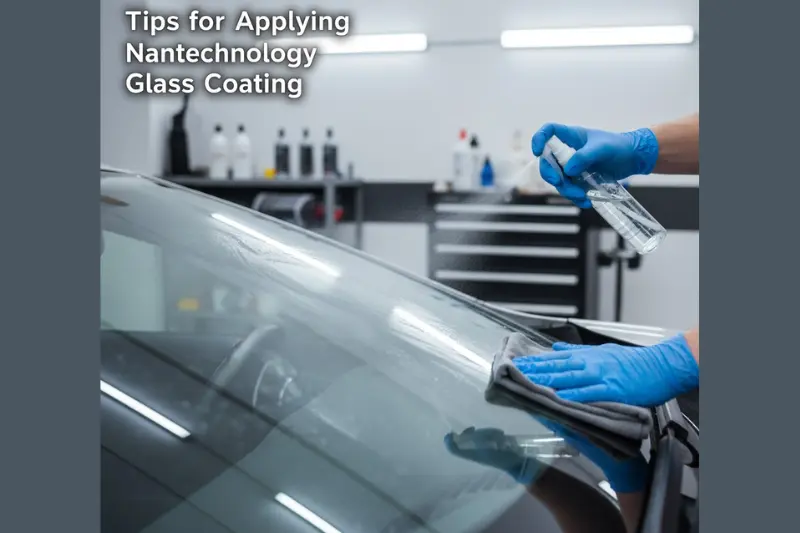
Getting the most out of nanotechnology glass coating isn’t just about buying it how you apply it makes a huge difference. Done right, it can last months or even years. Done wrong… well, you might end up with streaks, uneven coverage, or wasted product. Here’s what you need to know.
DIY vs Professional Application
Some coatings are user-friendly and marketed for DIY use, but professional application usually ensures even coverage and long-lasting results. If you’re coating a car windshield or large home windows, a pro might be worth the investment. For small items like phone screens or eyeglasses, DIY kits often work fine.
Clean Thoroughly Before Application
Any dust, dirt, or oil left on the glass will interfere with adhesion. That means no shortcuts use a proper glass cleaner, microfiber cloths, and make sure the surface is spotless before even thinking about applying the coating.
Proper Technique Matters
Follow the product instructions carefully: apply thin, even layers, let them cure if needed, and avoid touching the surface while it sets. Over-application doesn’t make it stronger; it can actually create streaks or cloudy spots.
Environmental Factors
Temperature, humidity, and wind can affect results. A calm, clean, and dry environment is ideal. Avoid applying in direct sunlight or on a humid day, especially for DIY projects.
May be you like it:
Which B.Tech Course is Best for Future – Career Guide
MPA Nashik e Learning – Online Police Training Platform
SBI e Learning – Online Training & Employee Courses
Maintenance & Longevity of Nanotechnology Glass Coating
Buying a nanotechnology glass coating is just the first step keeping it effective over time is where the real benefits show. The good news? Maintaining it is easier than you might think, and with the right care, it can last for months or even years.
Gentle Cleaning is Key
Avoid harsh chemicals or abrasive cloths. Microfiber cloths, mild detergents, or water-based cleaners are usually enough. The coating is designed to repel dirt, so you won’t need to scrub like crazy. A quick wipe often does the job.
Reapplication Frequency
The lifespan of your coating depends on usage and exposure. For cars, reapplication might be needed every 1–2 years; for smartphones or glasses, it can last longer. Pay attention to how water behaves on the surface if it stops beading effectively, it’s time for a touch-up.
Factors That Affect Longevity
- Environmental exposure: Sunlight, rain, and pollution can wear it down faster.
- Surface type: Smooth, high-quality glass holds coatings better.
- Cleaning habits: Aggressive scrubbing or abrasive tools can reduce lifespan.
Potential Drawbacks or Limitations of Nanotechnology Glass Coating
While nanotechnology glass coating offers a lot of perks, it’s important to look at the full picture. Nothing is perfect, and understanding the limitations helps you set realistic expectations.
Initial Cost
High-quality coatings, especially for cars or large glass surfaces, can be pricey. Professional application adds to that cost. While it often pays off in the long run through reduced cleaning and maintenance, the upfront investment can be a hurdle for some.
Application Challenges
Getting an even, streak-free layer isn’t always simple. DIY users can struggle with bubbles, streaks, or uneven coverage, while professionals can usually guarantee better results. Environmental factors like dust, humidity, or temperature can also affect the final outcome.
Lifespan Limitations
Even the best coatings aren’t permanent. Depending on surface type and usage, reapplication may be needed every 1–3 years. Daily wear, exposure to sunlight, or harsh cleaning can reduce effectiveness sooner than expected.
Unrealistic Expectations
It’s easy to think the coating is magic like “scratch-proof” or “never dirty.” In reality, it helps reduce smudges, scratches, and water marks, but it doesn’t make glass invincible. Understanding what it can and can’t do keeps disappointment at bay.
Industry Trends & Innovations in Nanotechnology Glass Coating

Nanotechnology glass coating isn’t standing still the field is evolving quickly, with new developments making it even more effective and versatile. If you’ve been curious about the latest trends, here’s a look at what’s shaping the industry.
Ceramic-Enhanced Coatings
Many modern coatings now combine nano-particles with ceramic compounds. This hybrid approach increases hardness, boosts scratch resistance, and extends the lifespan of the coating. For cars and smartphones, it’s like giving the glass a tiny suit of armor without changing its appearance.
Advanced Hydrophobic Layers
Researchers are developing coatings that repel water even more efficiently. These new layers create stronger water-beading effects, meaning rain, spills, or condensation slide off faster, keeping surfaces cleaner for longer periods.
Multi-Functional Coatings
Some coatings are now designed to handle more than just water and scratches. Anti-fingerprint, anti-UV, and even anti-bacterial properties are being integrated, making glass surfaces safer, clearer, and easier to maintain.
DIY-Friendly Innovations
As the technology matures, many products are becoming simpler for everyday users. Spray-on or wipe-on solutions are now more stable and effective, giving non-professionals easier access to nanotech protection without sacrificing quality.
Frequently Asked Questions (FAQs) About Nanotechnology Glass Coating
What is nanotechnology glass coating?
It’s a super-thin, invisible layer of nano-particles that protects glass from water, scratches, and dirt.
How long does it last?
Depending on usage and maintenance, most coatings last 1–3 years.
Can I apply it myself?
Yes, small surfaces like phones or glasses work for DIY, but cars or large windows are better left to professionals.
Does it make glass scratch-proof?
It improves scratch resistance for daily wear but won’t protect against heavy impacts or sharp objects.
How do I maintain it?
Clean gently with microfiber cloths and mild water-based cleaners; reapply when water stops beading effectively.
Conclusion
Nanotechnology glass coating isn’t just a tech buzzword it’s a practical, everyday solution for anyone tired of smudges, scratches, or constant cleaning. From cars and smartphones to home windows and eyewear, this invisible protective layer makes life a little easier, surfaces more durable, and cleaning far less of a chore.
Of course, it’s not magic. Proper application, maintenance, and realistic expectations are key to getting the full benefit. But when used correctly, it delivers noticeable results: water beads, dirt slides off, scratches are minimized, and your glass keeps looking clearer for longer.
May be you like it:
Digital Marketing Internship – Kickstart Your Career
Best Digital Marketing Agency – Grow Your Business Fast
